





Introduction — Botanical walks around Trento in spring
Spring around Trento is pure magic: mountains and valleys wake up, forests put on a bright green carpet of moss, and countless alpine and Mediterranean flowers splash color across embankments and meadows. For plant lovers—whether you prefer gentle hikes or themed walking tours—the area offers a unique range of easily accessible ecosystems. This practical guide gives you routes, exact locations, opening times, sample prices and local tips to make the most of botanical walks around Trento.
Trento sits at the meeting point of several valleys: the Adige Valley, the Valle dei Laghi to the west, the Monte Bondone massif to the northwest and, to the east, deep forests leading toward Parco Naturale Paneveggio – Pale di San Martino. Each area supports distinct plant communities: species-rich alpine meadows (gentians, soldanellas, pasqueflowers) on Monte Bondone; mixed oak and beech woodlands in the valleys; conifer forests with high-altitude grasslands in the natural parks; and wetlands around the lakes where orchids and reeds thrive.
This guide is written for a wide audience—families, amateur botanists, nature photographers and hikers—and mixes practical information (exact addresses, opening hours, fees), immersive natural descriptions and local advice on the best times to see certain flowers, how to behave to protect the flora and what gear to bring (sturdy footwear, plant guide, loupe, camera). You’ll also find recommendations for refuges and cafés where to take a break, and clear, easy-to-follow routes suitable for different fitness levels.
Before each walk, check official sites or local tourist offices for up-to-date opening times and conditions, especially in case of changeable weather or seasonal traffic. Many reserves and botanical gardens offer guided spring visits, often in Italian and sometimes in English. We’ll note visiting options, entry fees (when applicable) and contact details for booking.
Finally, keep in mind that protecting these areas is essential: stay on marked trails, do not pick wild plants (unless explicitly allowed and within local regulations), avoid disturbing wildlife and always carry out your rubbish. Trento’s parks and gardens are living places where conservation and research are ongoing—your responsible behavior helps preserve these landscapes for future generations. Follow along through five themed sections covering the main botanical sites and trails around Trento, including mental maps, images and practical tips.
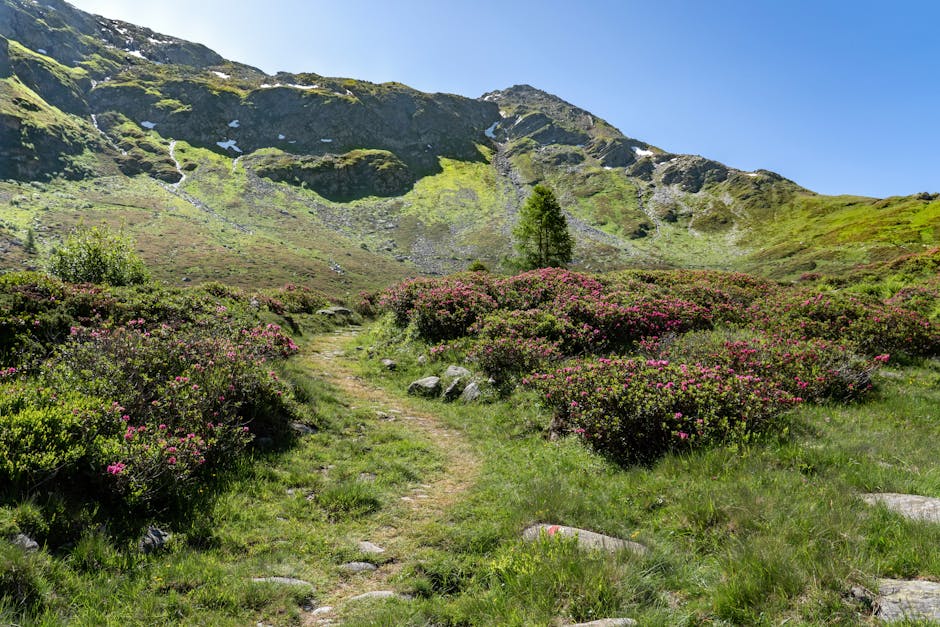
Giardino Botanico Alpino Viote del Monte Bondone — Alpine flowers and meadows
The Giardino Botanico Alpino Viote del Monte Bondone is one of the most accessible botanical observation points from Trento. Located on the Viote plateaus, this garden was designed to preserve and showcase the alpine flora of Trentino and the Alps. Address: Strada delle Viote 1, 38123 Trento TN, Italy. Access: by car from central Trento (about 25 minutes) or via provincial road SP85 from Villazzano/Trento. GPS: 46.0285 N, 11.0356 E.
Opening hours and fees (spring, indicative): usually open April to October depending on snow; hours: 09:00–17:30 (last admission 16:30); adult entry: €5.00; reduced (students, seniors): €3.00; children <12 free. For educational guided tours contact the managing body or Trento tourist office for English/Italian slots. The garden is run in collaboration with the Museo delle Scienze (MUSE) and serves as a study site for conserving local species.
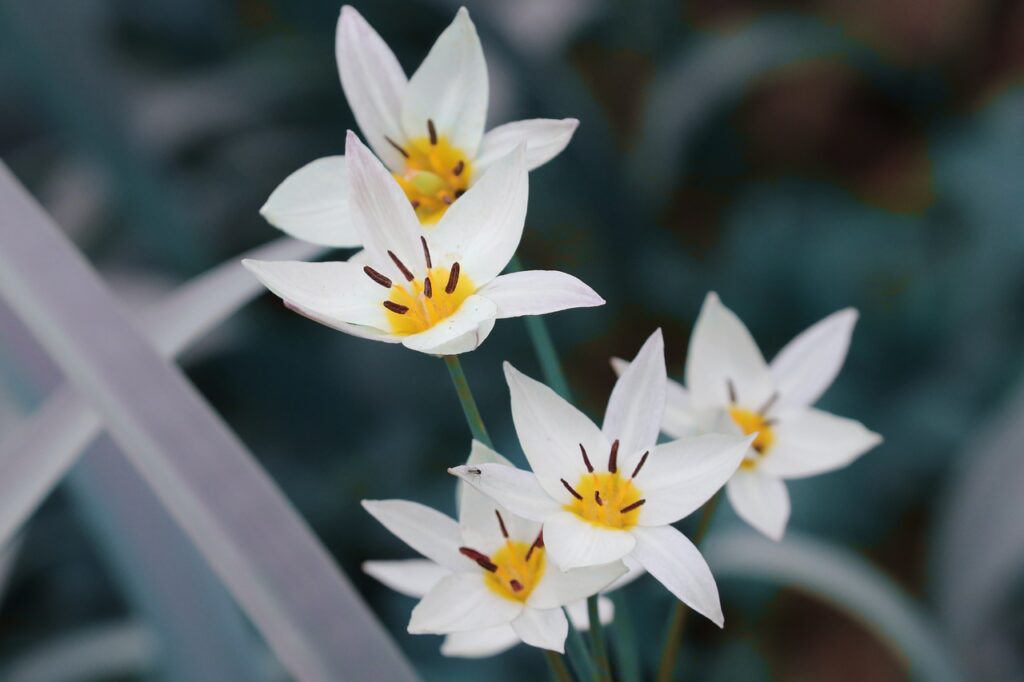
Immersive description: In spring the Viote meadows burst with color: deep blue gentians, pink soldanellas, silvery-petaled pasqueflowers and carpets of saxifrages. Marked paths cross alpine grasslands and small copses; interpretive panels identify species, explain adaptations (leaf morphology, flowering periods) and relationships with pollinators. The view opens onto the Adige Valley, creating a striking contrast between the vivid foreground flowers and the distant blue valley.
- Practical tips: Wear light hiking shoes, a hat and sunscreen; even in spring the wind can be strong and evenings cool.
- Photography: Early mornings and late afternoons provide the best light; bring a macro lens to capture petals and leaf textures.
- Conservation: Stay on the paths and don’t pick any plants; collecting is strictly forbidden for protected species.
Food & drink: a seasonal refuge or café, Rifugio Viote (Località Viote, 38123 Trento TN — Tel. +39 0461 290000 depending on season), offers light snacks, hot drinks and local products. Opening times vary (often 09:00–17:00). Price of a coffee: around €2.50; main dish: €10–€15.
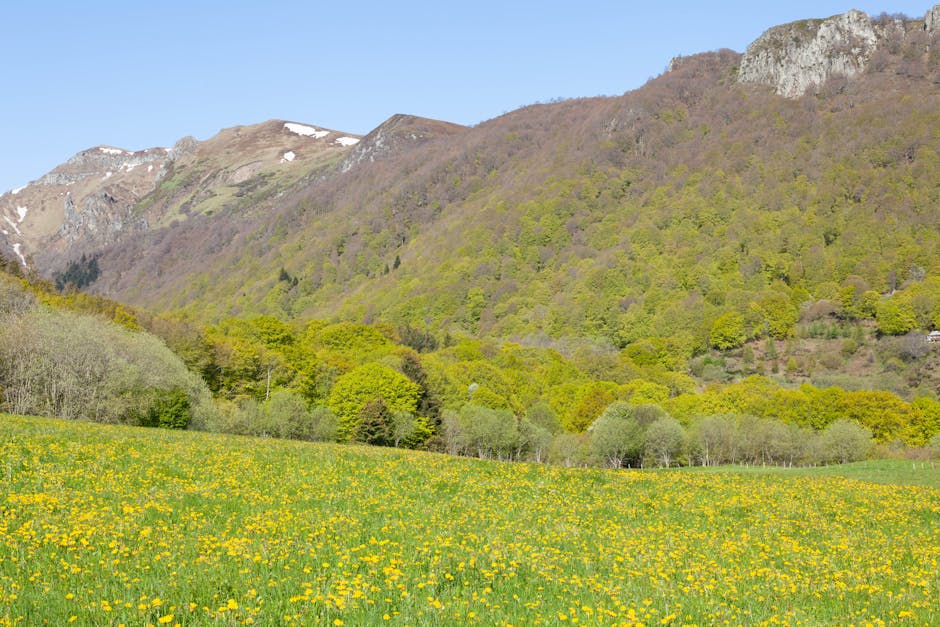
Parco Naturale Paneveggio – Pale di San Martino — Forests and unique ecosystems
Parco Naturale Paneveggio – Pale di San Martino lies east of Trento and is famous for its conifer forests (notably the “flute woods” of spruce used in instrument making) and alpine meadows. Administrative address: Via Forestale, 11, 38054 Paneveggio TN, Italy. Access: about 1h15–1h30 by car from Trento via SS47 and SP619. The park covers a large area and several sectors (Val Venegia, Paneveggio, Passo Rolle) offer varied botanical trails.
Hours and fees: park access is free; some visitor areas and internal museums (Centro Visitatori del Parco) have seasonal hours: Centro Visitatori Paneveggio, Via del Cimon, 38054 Primiero San Martino di Castrozza — usually open 09:00–17:00 from April to October; entry to the centre: €3.00–€6.00 depending on the exhibition. Naturalist guided walks in spring are available on request; prices vary, often €8–€15 per person for 2–3 hour outings.
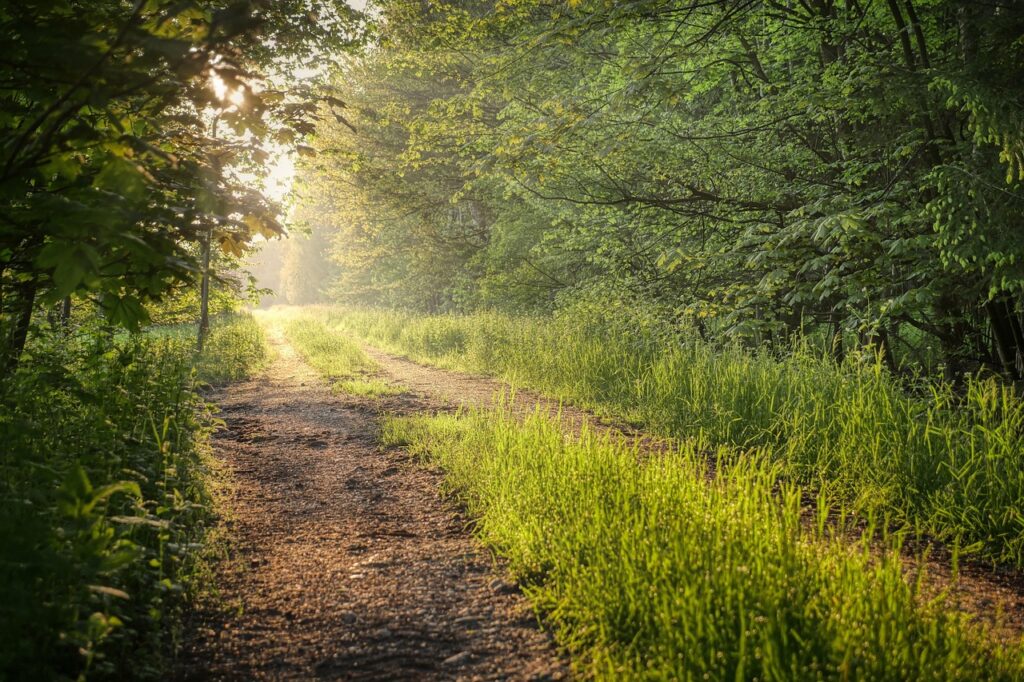
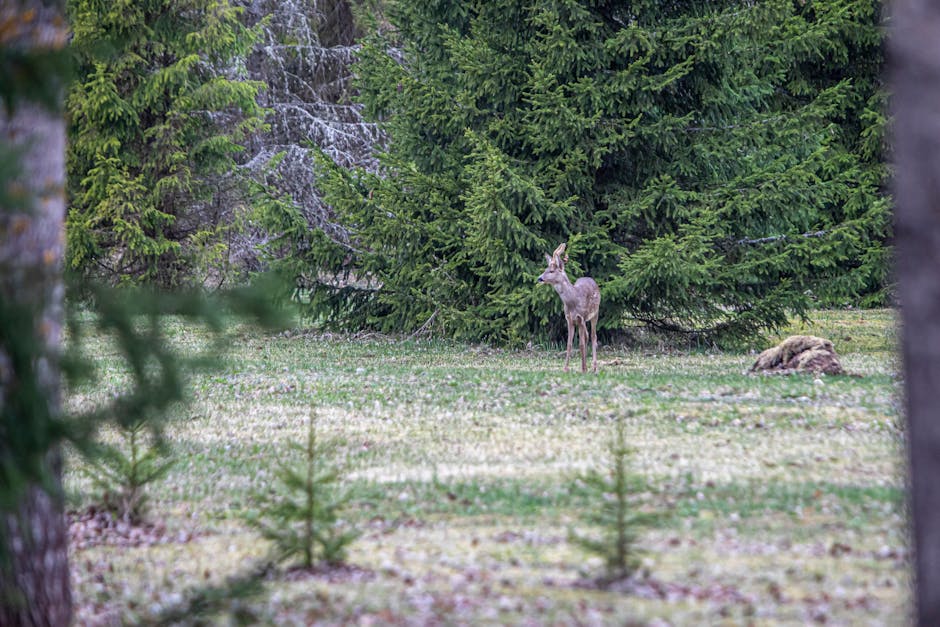
Immersive description: Trails wind through beech and spruce stands where the spring understory teems with wild hyacinths, discreet orchids (genus Orchis), primroses and mossy carpets. Wet areas host rushes and sedges, while clearings produce mountain flowers that attract butterflies and bumblebees. You’ll hear songbirds and, with luck, spot deer or roe deer at dawn or dusk.
- Recommended route: Easy Paneveggio – Lago di Sadole circuit: about 3 km round-trip, well marked, ideal for families and botanical photography.
- Local tips: Bring trekking poles for slippery slopes, waterproof clothing (spring storms are common), and binoculars to watch wildlife without disturbing it.
- Conservation: Respect nesting areas and don’t approach young animals; avoid fires and loud noise.
Services: mountain accommodations and rifugi (refuges) like Rifugio Paneveggio (Località Paneveggio, 38054 Predazzo TN — Tel. +39 0462 341234) offer hot meals and trail information. Meal price: €12–€18; half-board refuge nights: €40–€70 depending on season.
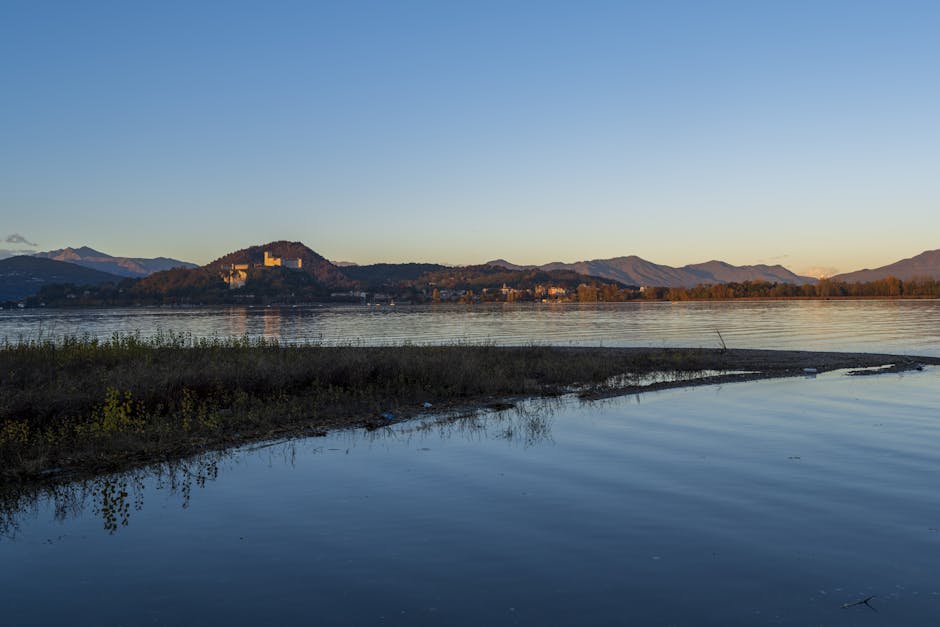
Valle dei Laghi and Lago di Toblino — Lakes, riparian woods and orchids
The Valle dei Laghi, west of Trento, includes several lakes and botanical highlights reachable on short walks. The most iconic is Lago di Toblino, known for its small lake and the picturesque Castel Toblino on the shore. Address: Strada Provinciale 84, 38074 Calavino TN, Italy (Castel Toblino). Access: 20–30 minutes by car from Trento via SS237 and SP84.
Hours and fees: lake shores are freely accessible (free of charge). Castel Toblino is private property but sometimes hosts events and restaurants—check before visiting. Public parking around the lake: free or paid depending on the season (parking: €1–€3/hour in controlled zones during high summer).
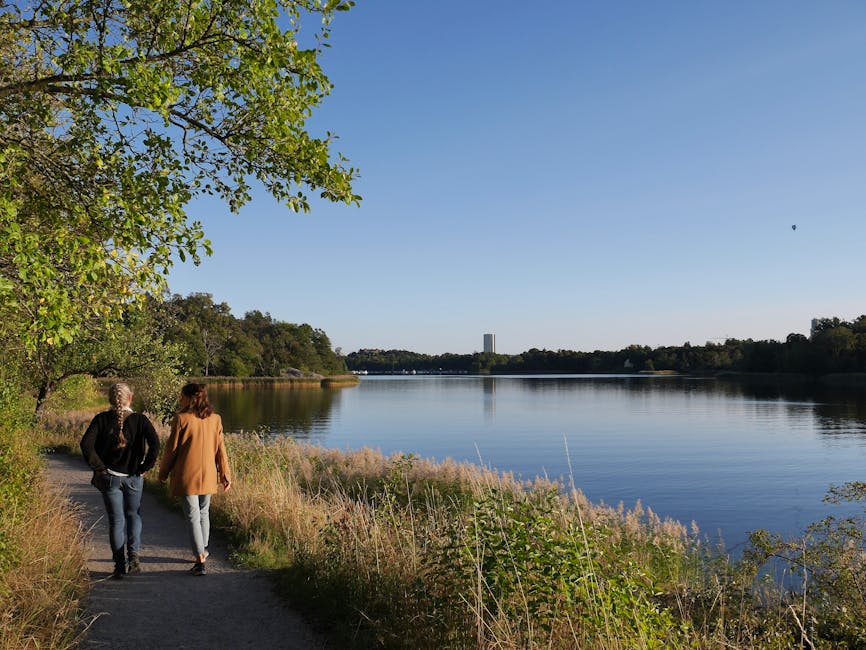
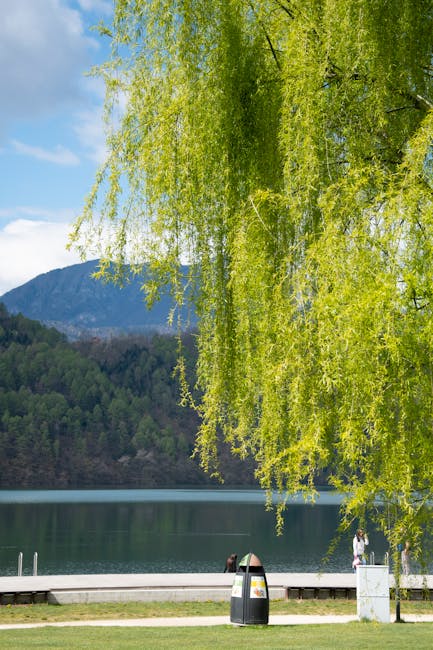
Immersive description: In spring the lakeside is dotted with wild daffodils, water irises and reeds, while nearby meadows host wild orchids (platantheras and Orchis mascula) and daisies. Afternoon light creates perfect reflections of the castle on the water, and little coves provide microhabitats for amphibians and aquatic insects. Walks are easy, often flat, and suitable for strollers and families.
- Recommended walk: Lago di Toblino – naturalistic trail: about 4 km, gentle elevation, well signposted with information boards on riparian flora.
- Local tips: Bring binoculars to watch waterbirds at sunrise (ducks, grebes). Calm mornings are best for reflection photography without disturbing ripples.
- Dining: Restaurant Castel Toblino (Strada Provinciale 84, 38074 Calavino TN) — regional menu, dishes from €12; reservations recommended for Saturdays and Sundays.
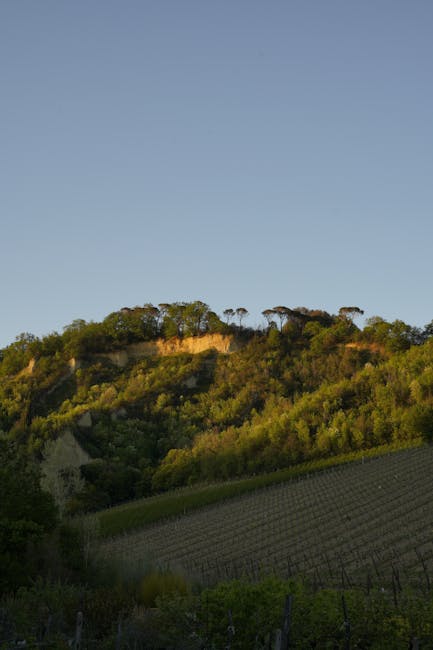
Other lakes and sites: Lago di Santa Massenza (via Santa Massenza, 38010 San Michele all’Adige TN) and Lago di Lamar also offer interesting wetlands for observing aquatic plants. Wine lovers will enjoy the flowering vineyards and orchards on the slopes of the Valle dei Laghi; Fondazione Edmund Mach (Via E. Mach, 1, 38010 San Michele all’Adige TN) manages experimental gardens and offers tours and exhibitions (some areas free; museums and temporary exhibitions: €3–€8 depending on the event).
Urban botanical trails and Trento’s gardens — Walks for every pace
The city of Trento itself offers several green spaces and botanical routes for those who want to combine urban culture with nature. Besides the Giardino Botanico Alpino Viote mentioned above, don’t miss the Giardino Botanico at the Museo delle Scienze (MUSE) and the public parks around the historic center.
Address and access: MUSE — Museo delle Scienze, Corso del Lavoro e della Scienza, 3, 38122 Trento TN. The museum is close to the Trento railway station. MUSE opening hours: generally 10:00–18:00 (seasonal); admission: adult €12.00; reduced €9.00; children 6–18 €6.00; under 6 free. The adjacent garden and outdoor exhibits may have specific hours—check the website for spring botanical events.
Immersive description: Urban walks mix flowerbeds, tree-lined streets, small copses and themed gardens (medicinal plants, alpine species on display). The Adige riverbanks, especially between Ponte Vecchio and Ponte Dante, feature planted shores and easy paths—perfect for a short photo walk or tree identification (alder, willows, ash) and spring-blooming shrubs.
- City route: Start at Piazza Duomo — stroll along Via Belenzani, visit the MUSE botanical garden, then descend to the Adige riverbanks and Parco dell’Adige. Duration: 2–3 hours at an easy pace.
- Practical tips: Historic cafés around Piazza Duomo (typical address: Piazza Duomo, 38122 Trento TN) are great places to start or stop. In April and May terraces are pleasant; a cappuccino costs about €1.50–€2.50.
- Events: Spring often brings plant markets, horticultural fairs and naturalist talks at MUSE. Check the municipal calendar for exact dates.
Monte Bondone — High trails and alpine meadows
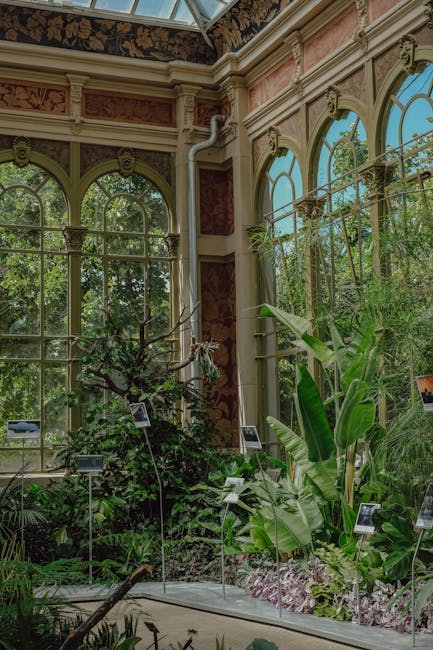
Monte Bondone is Trento’s local mountain. It offers varied trails, from high meadows to forest openings, and is a prime spot for studying and observing alpine plants in spring. Main access points: Viote del Monte Bondone (see the botanical garden) and Vason (upper cable car station). Vason cable car address: Piazzale del Vason, 38123 Trento TN. Trento-Vason cable car: hours vary, often 08:30–17:30 in season; round-trip ticket about €8–€12 per adult.
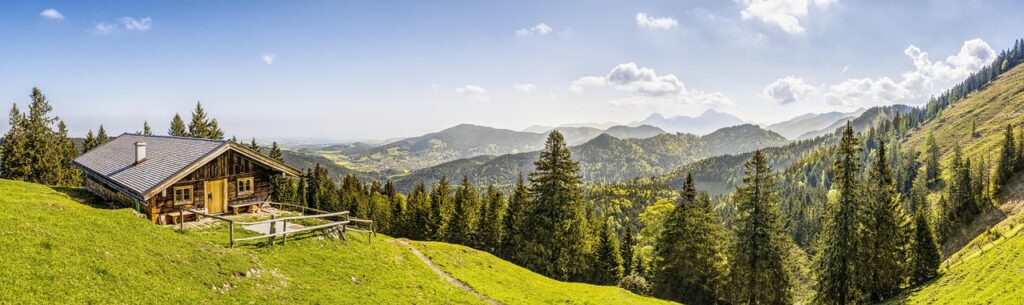
Immersive description: Climbing toward Vason you first pass mixed forest then high-altitude meadows that in spring are dotted with pasqueflowers, cymbalaria, catchflies and many small gentians. The plateaus offer clear views over the Adige Valley and the Dolomites in the distance. Marked trails (standard CAI blazes) let you tailor the outing to your fitness level: short 1–2 hour strolls or longer hikes to Pisorno and Cima Verde.
- Suggested route: Vason – Rifugio Viote – Busa del Vescovo (loop): about 6–8 km, moderate elevation gain. Great for seeing diverse flora and stopping at refuges for refreshments.
- Refuge hours and prices: Rifugio Viote (address Strada Viote, 38123 Trento TN): mainly open on weekends off-season, daily in high season; drinks €2–€4, dishes €10–€18.
- Local tips: Check the cable car’s opening and the weather before leaving; shaded areas can stay cool even in May.
Environmental protection: alpine grasslands are fragile. During flowering keep dogs on a leash, don’t walk off-trail and respect pastoral fences. Shepherds still use alpine pastures; coexistence goes better by avoiding direct encounters with herds during milking or transhumance.
Practical tips, safety and ethics for botanical walks
To fully enjoy botanical walks around Trento, here are practical tips and golden rules for your comfort and the protection of habitats:
- Best time: April–June for most low and mid-altitude blooms; July for high mountain meadows. Some rare species flower very early—check with tourist offices.
- Gear: lightweight waterproof hiking shoes, layered clothing, a field notebook and plant guide (e.g. « Flora delle Alpi » — pocket guide), loupe/binoculars for details, backpack with water and snacks. Sun protection and insect repellent depending on the route.
- Safety: Don’t hike solo on high-altitude routes without telling someone your plan. Carry a charged phone, a paper map or GPS and know local emergency numbers (112 for all emergencies in Italy).
- Ethics: Do not pick plants—most wild species are protected. Stay on marked trails, obey signs and avoid loud noises that disturb wildlife.
- Local information: Trento Tourist Office — Piazza Duomo 1, 38122 Trento TN — Hours: 09:00–18:00; Tel. +39 0461 270311. They provide maps, guided outings and up-to-date information on trail conditions and flowering seasons.
In conclusion, favour local businesses (rifugi, small producers, naturalist guides): they bring deep knowledge, support the local economy and promote sustainable tourism. Many refuges accept online or phone bookings; if you plan a guided outing, book in advance—weekends in May and June get busy.
Conclusion — Protecting and celebrating Trento’s spring flora
The area around Trento is full of opportunities for rich and varied botanical walks. From the flower-strewn plateaus of Monte Bondone to the peaceful lakes of Valle dei Laghi, and from the heritage forests of Parco Naturale Paneveggio to the scientific botanical gardens run by institutions such as Fondazione Edmund Mach and MUSE, each route opens a window onto precious plant communities and memorable landscapes.
Taking the time to observe, identify and understand local flora turns a simple walk into an educational and sensory experience. The most rewarding approach is to carry a small plant guide, a notebook and, if possible, join a guided walk led by a local naturalist. The practical information here—addresses, indicative hours, fees and recommendations—helps you plan your days, but always double-check times and availability in advance with the tourist offices or listed facilities.
Finally, protecting these environments also depends on visitors. Follow regulations, stay on marked trails, avoid picking and support local conservation initiatives—these concrete actions will help these landscapes and their biodiversity continue to bloom each spring. Whether you’re a photographer, budding naturalist, family seeking a peaceful stroll or an experienced hiker, Trento in spring is an exceptional playground: go with curiosity and respect, and be surprised by the quiet abundance of flowers and forests.