





Introduction — Reflections on the Adige: a sensory stroll through Trento
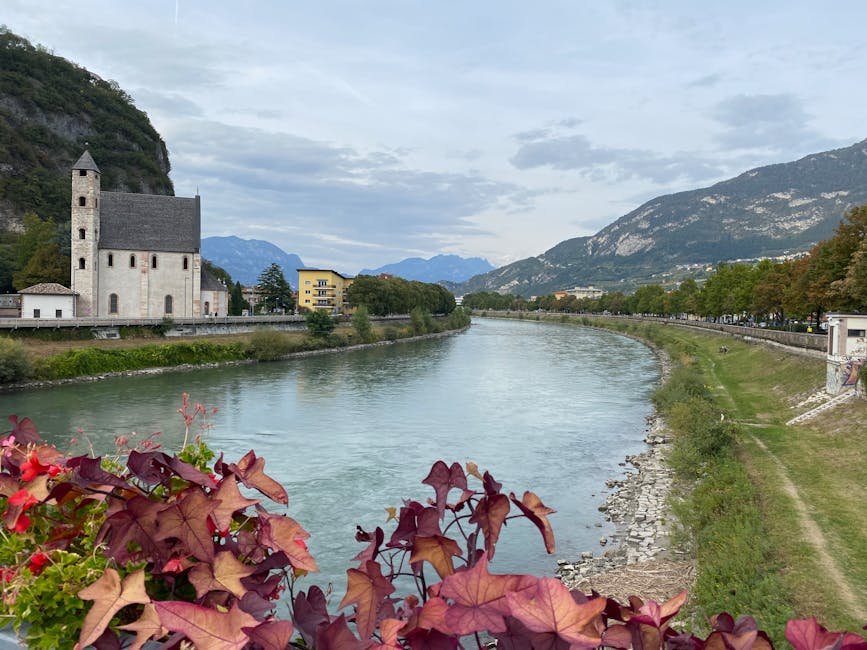
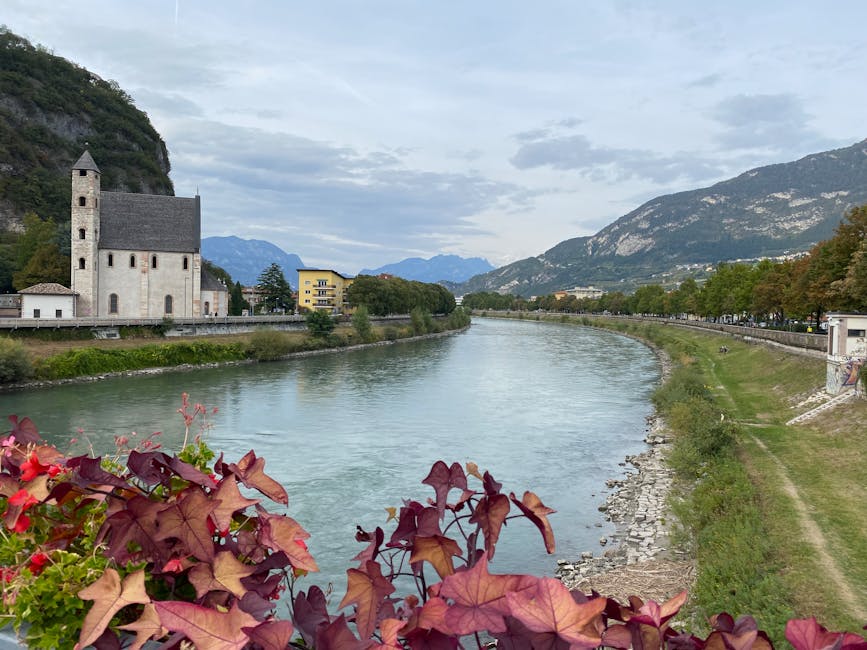
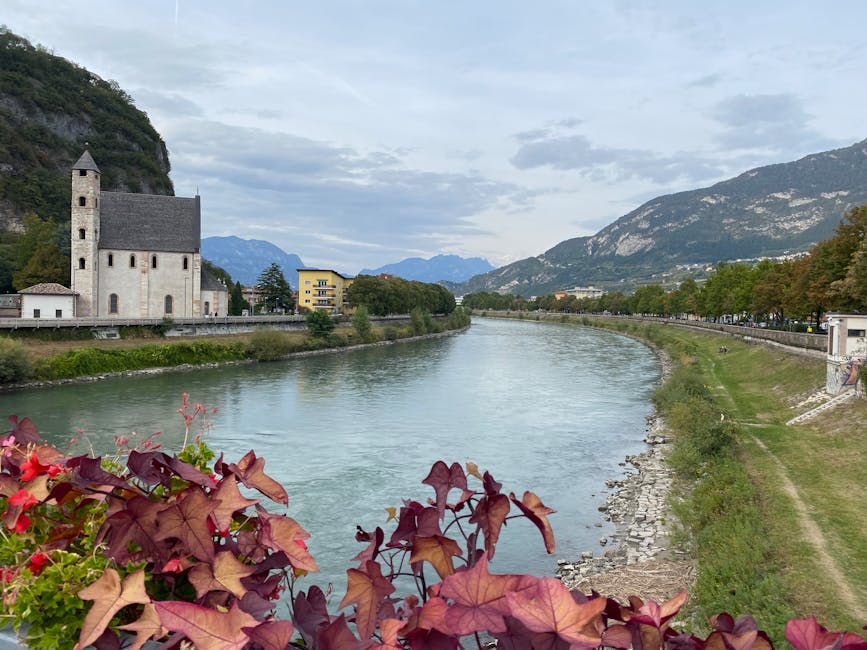
Trento (Trento in Italian) is a city where water tells the story. The Adige, Italy’s second-longest river, cuts through the city, carving contrasting banks: sunlit embankments, cobbled quays, medieval bridges and ochre facades that mirror themselves in the current each morning and evening. “Reflections on the Adige” isn’t just a poetic image — it’s an invitation to sketch visual and sensory sequences while walking along the river, to stop and listen, watch and photograph. This article is both a practical and literary route to immerse yourself in those water compositions, sitting at the intersection of historic heritage and contemporary life.
The suggested routes mix architecture, museums, bridges and riverbanks, and include practical details — exact addresses, opening hours, and indicative prices — so your walk is both beautiful and doable. We’ll point out emblematic sites: Castello del Buonconsiglio, the MUSE — Museo delle Scienze, the Cathedral of San Vigilio and Piazza Duomo, all easily reached from the Adige’s banks. You’ll also discover lesser-known viewpoints, quays ideal for sunset, and tips for photographing reflections, stopping for local dishes (strangolapreti, canederli, polenta), or even trying a short water experience if the current allows.
Beyond monuments, the Adige structures the city’s rhythm: early-morning walks by locals, joggers along the lungadige, cafés where people sip espresso facing the water, and afternoons when low light dresses facades in golden tones. We’ll detail the best times for light, shooting angles, access to the riverbanks and safety recommendations. For each place you’ll find the exact address, typical opening times, and entry prices current at the time of publication — essential info to plan your day in Trento.
Finally, this guide aims to be a responsible travel companion: respect the riverbanks, follow behaviors that protect riverside fauna and flora, and adopt good photography ethics (don’t block pedestrians, avoid excessive gear in narrow areas). Pack your camera, comfortable shoes and curiosity: the Adige’s reflections make ever-changing compositions that turn each visit into a unique creation.
The historic core and its reflections: Piazza Duomo, Cattedrale di San Vigilio and Palazzo Pretorio
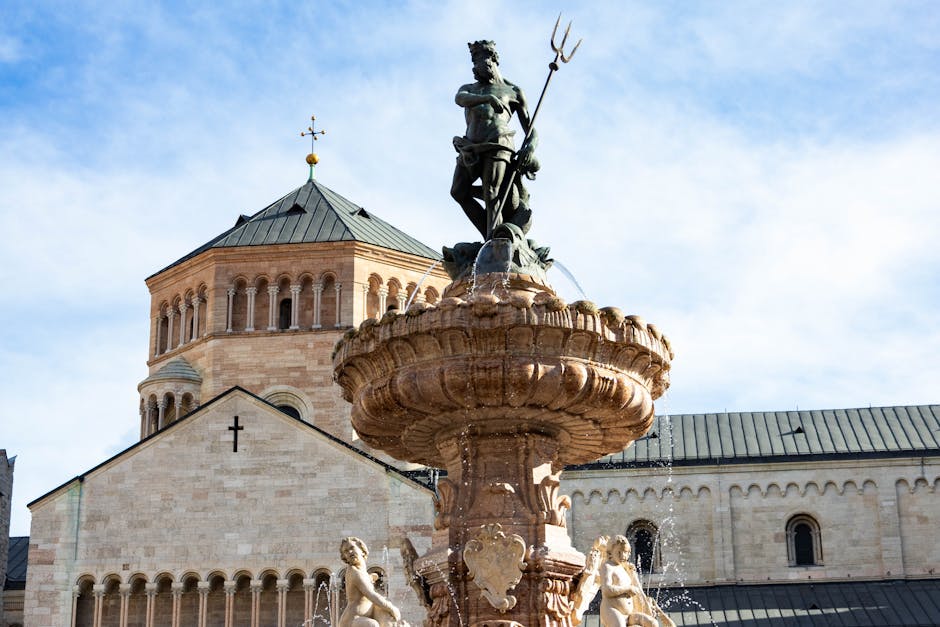
Piazza Duomo is the focal point where Trento’s medieval spirit meets the Adige’s discreet presence. From Piazza Duomo (Piazza Duomo, 38122 Trento TN) you don’t always see the river directly, but the visual axes and alleys leading to the banks create perfect geometric frames to capture urban reflections. The Cattedrale di San Vigilio (Piazza Duomo, 1, 38122 Trento TN) is a Romanesque-Gothic building whose restrained façade and luminous interior offer striking contrasts with the darker tones of the stones by the water. Entry to the cathedral is free, though guided tours may be offered by the Museo Diocesano Tridentino (check local schedules).
Palazzo Pretorio and the Torre Civica, which dominate the piazza, house the Museo Diocesano Tridentino and other temporary exhibitions (Palazzo Pretorio, Piazza Duomo, 4). The diocesan museum often runs exhibitions and guided tours: indicative prices range from €4 to €8 for entry, opening hours typically 9:00–13:00 and 15:00–18:00 — verify before your visit as times vary with seasons and religious events.
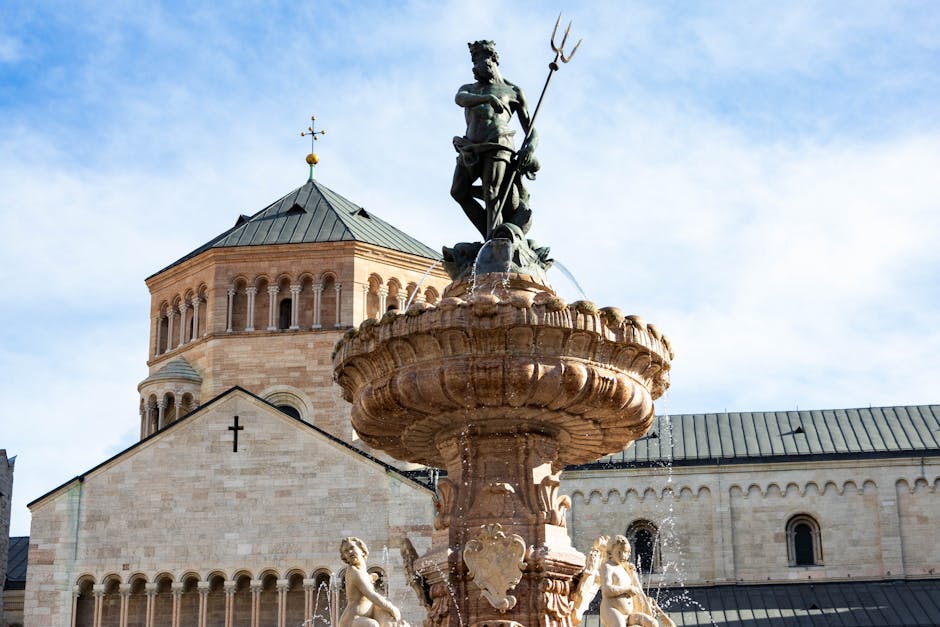
Practical tip: to compose reflections that tell the story of the city, start on Via Belenzani and Via San Pietro heading down toward the river. The best time is the golden hour in the morning or late afternoon, when the light skims the roofs and Piazza Duomo glows warm. Grab a coffee at Caffè Bontadi (Via Oss Mazzurana, 7 — hours vary, espresso from around €1.10) then head to the riverbank to try wide framings and low-angle shots. Beware of peak tourist times, especially in summer and during medieval markets.
Castello del Buonconsiglio and the historic banks: guardian of waters and frescoes
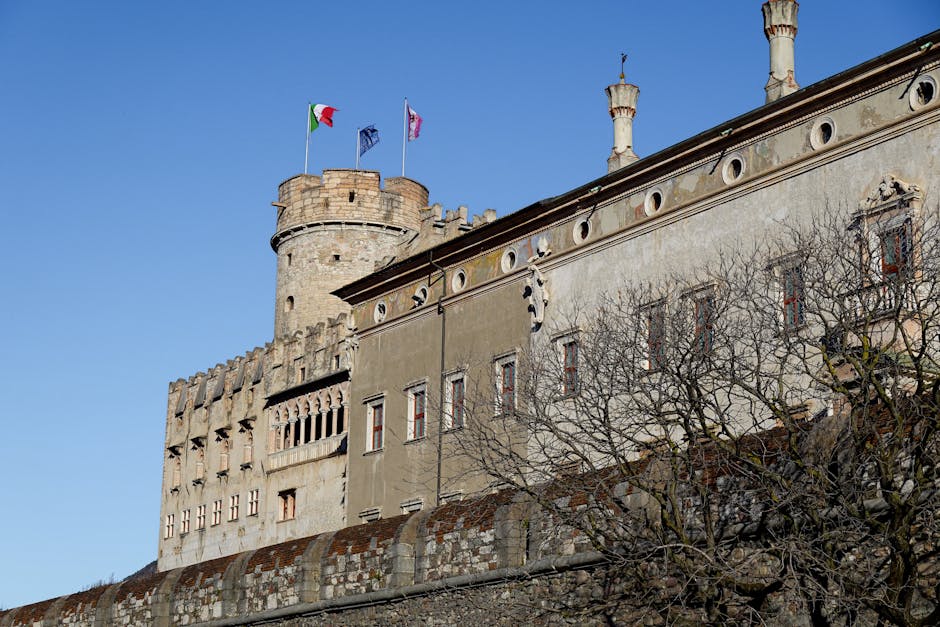
Castello del Buonconsiglio is one of Trentino’s best-preserved castles and has a direct relationship with the Adige: located at Via Bernardo Clesio, 5, 38122 Trento TN, it overlooks the city and its banks. The castle’s park and ramparts provide viewpoints over the river and let you photograph turret and wall reflections in quieter arms of the Adige. Opening hours: generally 9:00–19:00 in high season (April–October) and reduced hours in low season; indicative admission: €8.00 full price, €5.00 reduced (students/young people), free on certain municipal Sundays — check the official site before your visit.
Castello del Buonconsiglio (museum and fresco route) offers guided tours and audio guides; visiting the apartments and Torre Aquila (14th-century fresco cycle, including the famous “Meschio” and the “Cycle of the Months”) is especially immersive. Afterward, head down to Lungadige Matteotti and Lungadige Paolo Toselli to walk along a historic route that’s been modernized while retaining ancient elements. These banks are ideal for peaceful strolls and watching shimmering reflections at sunset.
Practical tip: to avoid crowds, visit the castle in the morning or late afternoon on weekdays. Photographers should bring a polarizing filter to reduce unwanted glare and a small tripod for long twilight exposures. For a bite after your visit, try Trattoria alla Vecchia Stella (Piazza Cesare Battisti, 3 — mains €10–€20), a short walk away.
MUSE — Museo delle Scienze and the science of water: exhibits and Adige panoramas
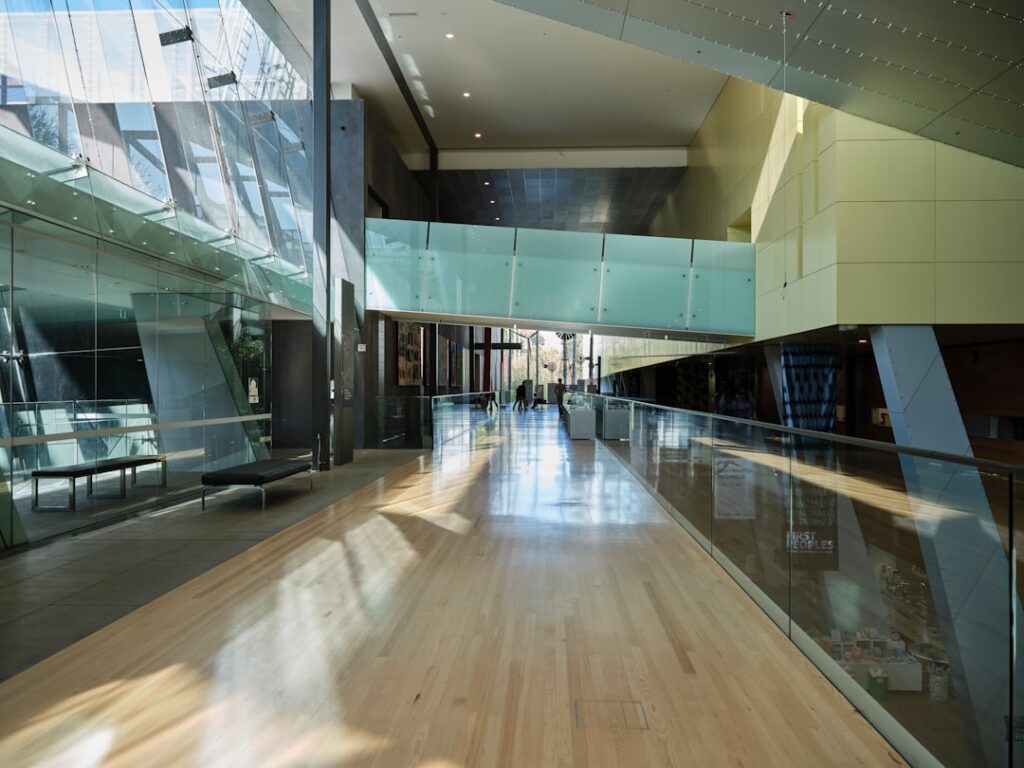
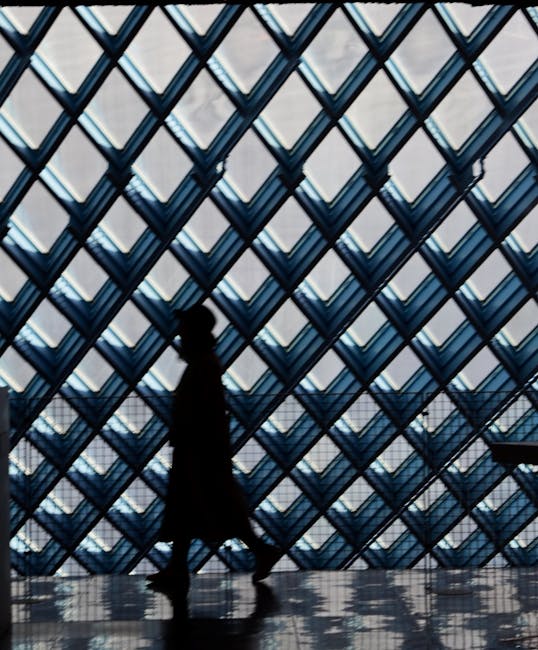
MUSE — Museo delle Scienze (Corso del Lavoro e della Scienza, 3, 38122 Trento TN) is a science culture lab designed by Renzo Piano and located right next to the Adige. The museum’s large glass walls and surrounding walkways offer contemporary views of the river: the contrast between modern architecture and an ancient watercourse makes a fascinating photographic subject. Hours: often 10:00–18:00 (sometimes closed on Mondays); indicative prices: €10.00 full price, €8.00 reduced (youth, seniors), family tickets available.
Inside, temporary and permanent exhibits explore geology, aquatic biodiversity and the impacts of climate change on alpine rivers. The “Water” route explains the Adige’s role in historical floods, flood management and local aquatic life — a useful complement for anyone observing reflections who wants to understand the dynamics behind them. After your visit, climb the exterior walkways for a few shots where the museum’s glass blends with the river’s ripples.
Practical tip: book tickets in advance during high season (spring–summer). MUSE offers children’s workshops (reduced fees) and has a café serving regional snacks (drinks €2.50–€5.00). Pay attention on high-water days: if the Adige’s level rises, some walkways may close for safety — check the official site before you go.
Walks, bridges and compositions: where to find the best reflections along the Lungadige
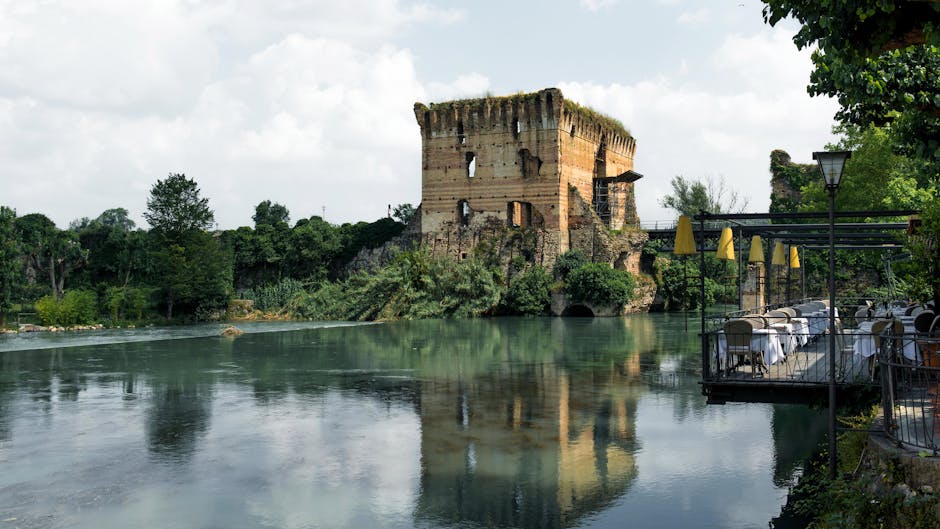
The lungadige — literally the “banks of the Adige” — are Trento’s pedestrian heart. Main pedestrian routes like Lungadige Trento, Lungadige Matteotti and Lungadige Paolo Toselli offer varied perspectives on the river: wide tree-lined quays, benches, pedestrian bridges and viewing points flanked by historic signage. The Ponte Romano, near Via San Pietro (a bridge with ancient origins), and Ponte Garibaldi provide different frames to capture the water between arches and the reflections of buildings.
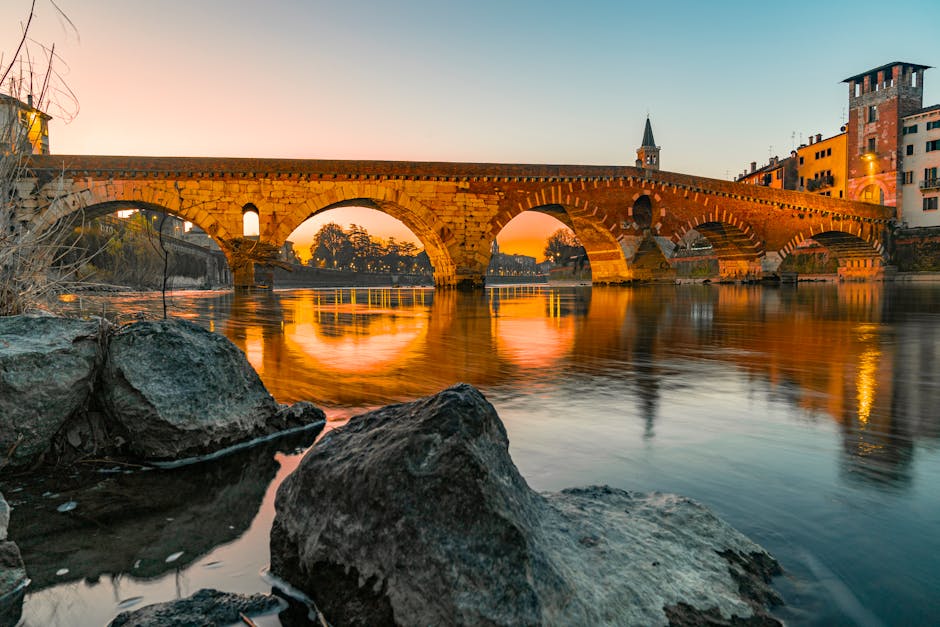
Recommended walk: start at Castello del Buonconsiglio, head down to Lungadige Matteotti, cross the Ponte Romano into the city center, then follow Lungadige Paolo Toselli to Ponte del Mare (a modern area) for an overall walk of about 4 km. Allow 1.5–2 hours with photo stops and breaks. The route passes cafés, gelato shops and small stores where you can buy snacks and drinks; budget €5–€15 depending on your stop.
Photo tips:
- Time: the golden hour is ideal for warm reflections; the blue hour (twilight) yields more dramatic, bluish images.
- Gear: polarizing filter to control glare, wide-angle lenses for panoramas, telephoto to isolate details (arches, windows mirrored in the water).
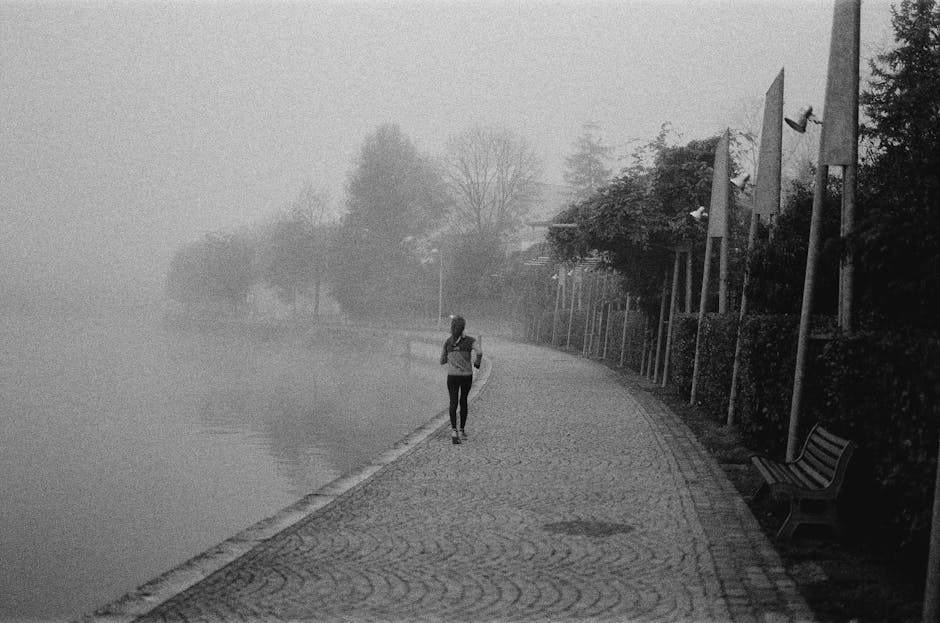
- Safety: beware slippery banks in winter and after rain; wear shoes with grippy soles.
Water experience: if you want to be close to the water, check with Trento Outdoor or local canoe/kayak clubs (day rentals roughly €20–€40 depending on equipment); these activities are seasonal and depend on river flow. Always check weather and river levels before renting a craft.
Local practical tips, riverside food and recommendations for a relaxed visit
To fully enjoy the reflections on the Adige and plan your stay in Trento, here are concrete local tips. Transport: Trento’s main station is Stazione di Trento (Piazza Dante Alighieri, 1), within walking distance of most riverside sites (10–20 minutes depending on your starting point). Many bus lines serve the city; a single urban ticket costs around €1.50–€2.00. Parking: watch for ZTL zones (limited traffic areas) in the historic center; use parking lots outside the old core, notably Parcheggio Trento Nord (address varies) or Parking Museo near the MUSE, daily rates around €5–€15.
Food: to taste Trentino cuisine after a day by the Adige, try:
- Ristorante Antica Trattoria Due Mori (Via Torre Verde, 7) — traditional dishes, mains €12–€22.
- Osteria Centouno (Via Torre Verde, 1) — local specialties and Trentino wines, mains €10–€25.
- Gelateria Riva del Gusto (near Ponte Garibaldi) — artisanal gelato €2.50–€4.00.
Safety and site respect: follow signs and protected areas along the banks; don’t feed aquatic wildlife. In summer bring sunscreen and water; in autumn and winter pack waterproof clothing — the Adige can be cool and damp close to the water.
Useful services: tourist offices — IAT Trento (Piazza Duomo 25, 38122 Trento TN) — usually open 9:00–18:00, closed on some holidays; maps, brochures and museum tickets available on site. Public Wi‑Fi is limited along the banks: better to download maps and guides offline if you plan long walks.
Conclusion — Composing with reflections: the art of staying by the water
The reflections on the Adige are a living composition that shifts with hours, seasons and the river’s moods. In Trento, every bridge, façade and riverside tree contributes to changing tableaux where the visitor becomes a maker of images: you frame, reframe, wait for a cloud or a boat to pass, and capture a perfect symmetry between two banks. This guide has suggested concrete routes — Piazza Duomo and the Cattedrale di San Vigilio, Castello del Buonconsiglio, MUSE and the lungadige — with addresses, hours and indicative prices so your exploration is both poetic and practical.
During your stay, alternate cultural visits with long pauses on river benches: the Adige is as much to be looked at as to be experienced. Bring suitable clothing, comfortable shoes, a small photo kit (filter, tripod) if you want polished images, and book museums in advance during high season. Taste Trentino flavors in riverside trattorie and use local tips (tourist offices, guides, kayak rentals) to enrich your experience.
Finally, let the city surprise you: the reflections are never the same, and that variability is what makes a stay along the Adige so rewarding. Plan several walks at different times of day, return to the same spot to watch how light transforms it, and let yourself be carried by the slow melody of the water — Trento will then offer you unforgettable waterborne compositions.