





Introduction: Why shoot the sunrise over a city?
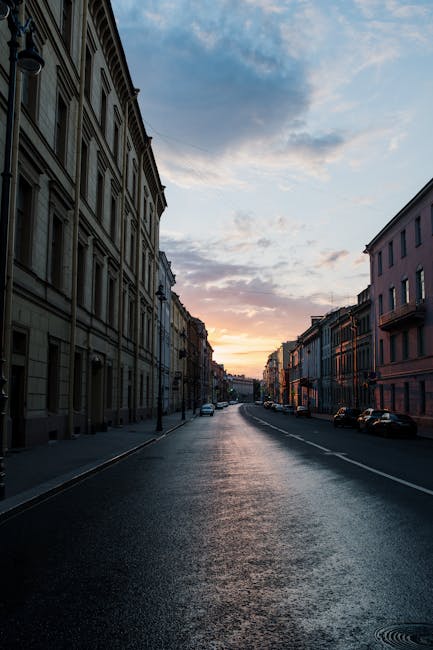
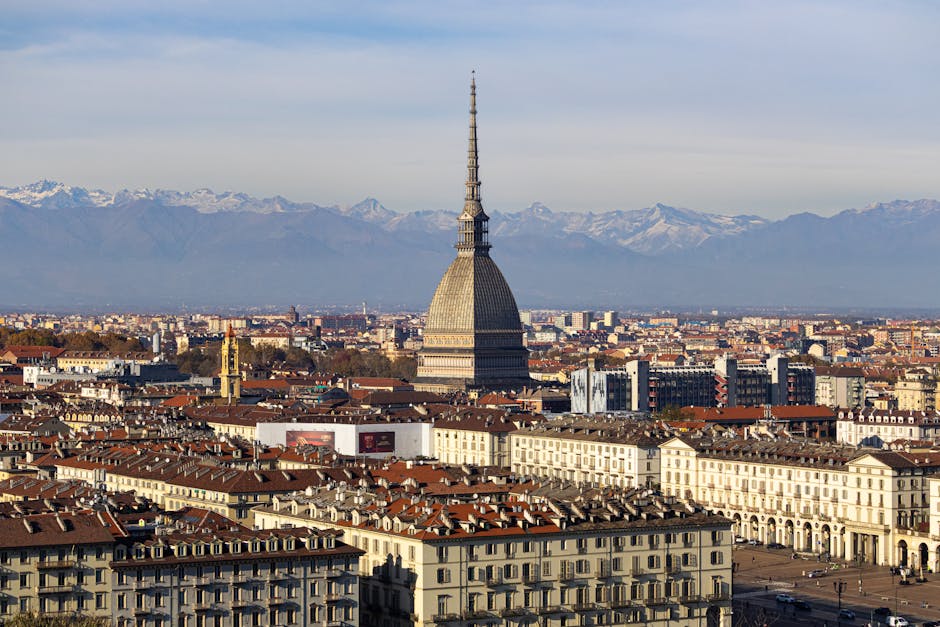
The city sunrise is both intimate and grand: soft light sweeps across rooftops, towers wake up in a pastel palette, and empty alleys become perfect backdrops for photography. For hobbyists and pros alike, dawn delivers unique conditions: low, golden light, often clearer air and fewer people, and strong contrasts between shadow and urban textures. This practical guide — designed to be useful across multiple cities — gives specific locations, timing, indicative prices and hands-on tips to help you nail your dawn shoots.
Shooting the urban sunrise is more than pointing your camera at the horizon. It’s about anticipating: checking the sun’s direction, choosing foreground and background elements, managing white balance, and sometimes arranging access to rooftops or viewing platforms. This guide lists concrete spots — public squares, viewpoints, parks and accessible rooftops — with exact addresses, access notes, prices and opening hours when entry fees apply. You’ll also find local tips (when to arrive, what to wear, safety, possible permits) and image ideas to help compose your frames.
Whether it’s a panorama over the Seine, an urban plunge from a Portuguese hill, a skyline profile of New York skyscrapers or a patchwork of Japanese roofs, the guide covers different view types: recognizable silhouettes, water reflections, sunlit cobbled streets and rooftops offering new perspectives. Price recommendations are listed in euros and opening hours are indicative; these can change with the season or local events, so always double-check ahead of time. Finally, you’ll find visual markers to inspire your compositions — useful for moodboards and image research.
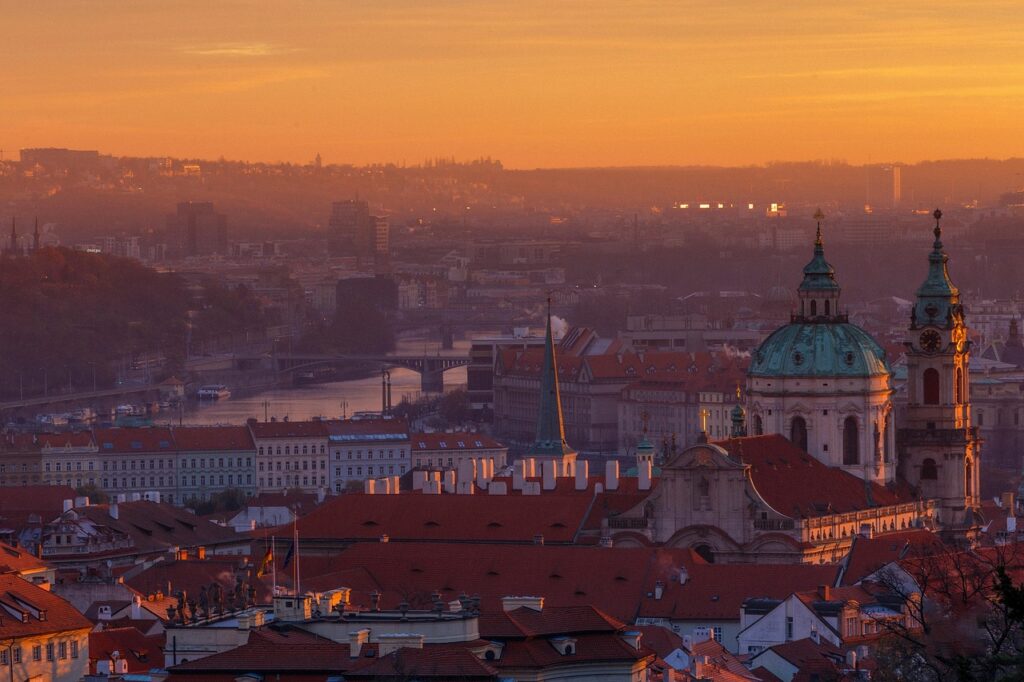
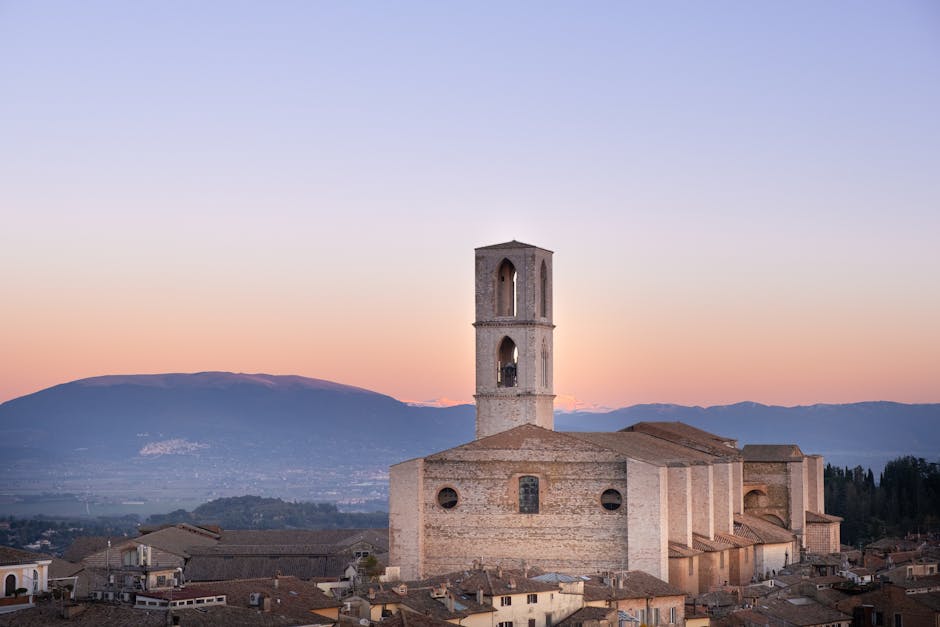
Picking the right spot: criteria and strategies
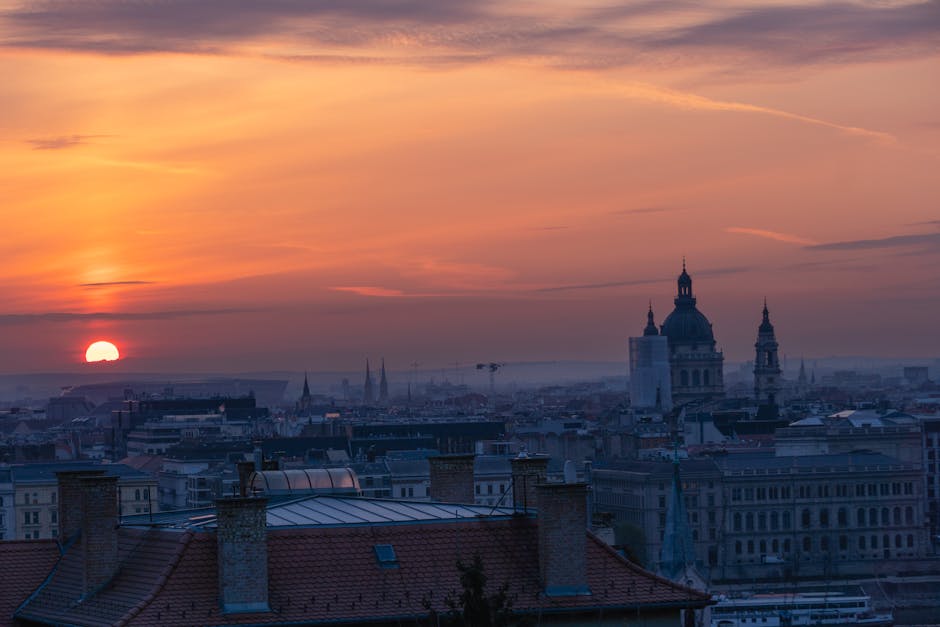
Before choosing a specific location, define the kind of image you want. Do you want a wide panorama showing the horizon, a tighter shot of a monument silhouetted against the rising sun, or a deserted-street mood with first light on a façade? Those choices determine the kind of spot you’ll need: elevated viewpoint, bridge, rooftop, riverside park or pedestrian street. Here are the essential criteria to consider:
- Sun orientation and azimuth: check the sunrise azimuth for your chosen date (apps like PhotoPills or Sun Surveyor are helpful). An east-facing spot gives a direct sunrise, while an east-northeast rise can create golden edges on façades or water.
- Viewpoint height: an elevated location (hill, observation tower) lets you include the whole city and the skyline; a low riverside spot favors reflections and symmetry.
- Accessibility and opening hours: some rooftops and platforms are closed at night and only open after sunrise. Verify opening times and access rules: free entry, ticketed, reservation or staff badge.
- Safety and comfort: choose safe, frequented places if you’re out very early alone. Bring warm clothing, a headlamp, and an external battery for your gear.
- Foreground and depth: look for foreground elements (railings, sculptures, trees, benches) to add depth to your images and avoid an empty horizon.
Practical strategy: arrive 45–90 minutes before official sunrise to test compositions, set manual exposure, and capture the dawn phases — the blue hour, nautical/twilight and the golden hour. In cities these phases are often shorter because of light pollution, so be efficient. Also, check local resources: photography groups on Facebook or Instagram often share access tips and weather alerts.
Paris: iconic panoramas and lesser-known spots
Paris offers a range of viewpoints for sunrise photography, from tourist classics to quieter corners. Here’s a selection of precise spots with addresses and practical info:
- Place du Trocadéro and Jardins du Trocadéro — Address: Place du Trocadéro et du 11 Novembre, 75116 Paris. Access: open 24/7. Description: from the esplanade the view of the Eiffel Tower is direct; sunrise often lights the metal structure from behind. Tip: arrive 30–45 minutes before sunrise to capture silhouettes and use the pools for reflections.
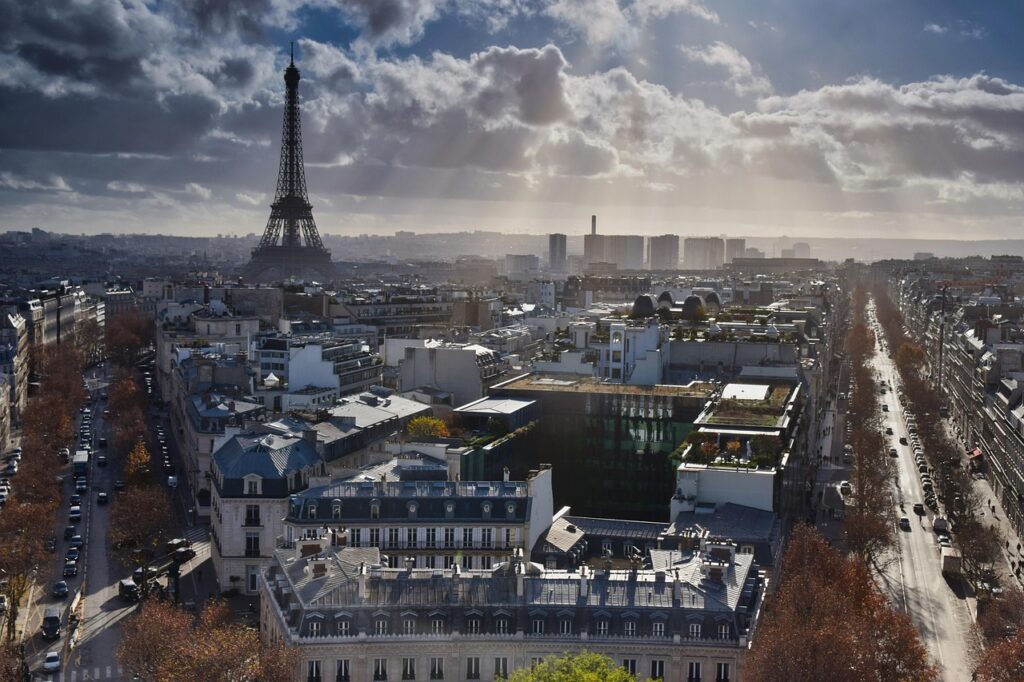
- Basilica of Sacré-Cœur (Montmartre esplanade) — Address: 35 Rue du Chevalier de la Barre, 75018 Paris. Access: esplanade accessible 24/7; dome usually open 8:30–20:00, dome access fee ≈ €6.00 (indicative). Description: the Montmartre hill offers a 360° panorama of Paris. Its northwest orientation can create strong backlight effects. Tips: wear comfortable shoes for the climb and take care when out at night.
- Belleville Park — Address: Rue Piat / Rue de la Mare, 75020 Paris. Access: free. Description: less busy than Montmartre, Parc de Belleville provides an open view over eastern Paris and the skyline. Bohemian vibe and metal benches make great foreground elements. Ideal for more intimate, local captures.
- The Seine quays (Pont Neuf / Île de la Cité) — Address: Pont Neuf, 75001 Paris. Access: free. Description: at dawn the Seine turns into a mirror; light runs across the water. Look for reflections and try long exposures (ND filter useful). Tip: check river levels and flood warnings depending on the season.
Hours and fees: most public spaces are free and accessible before dawn. For paid sites (Sacré-Cœur dome ≈ €6.00; Montparnasse Tower observation deck — Tour Montparnasse, 33 Avenue du Maine, 75015 Paris — usually opens around 9:30, fees ≈ €18–20), opening times often prevent access for sunrise. If you want a paid elevated point for dawn, contact the venue in advance to ask about special openings or private sessions.
Lisbon and Barcelona: hills, viewpoints and sunlit façades
Iberian cities are perfect for sunrises thanks to their hills and colorful façades. Two standout locations with addresses and tips:
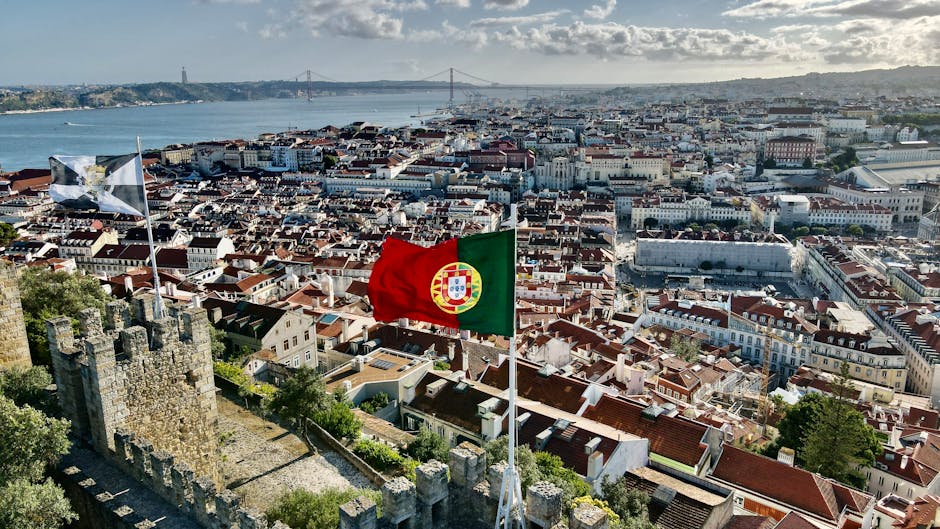
- Miradouro da Senhora do Monte — Lisbon — Address: Largo da Senhora do Monte, 1170-299 Lisboa, Portugal. Access: free, public viewpoint. Description: one of Lisbon’s finest panoramic points, perched above the Graça neighborhood. It offers sublime views over the Tagus, red roofs and São Jorge Castle. At dawn the city turns orange and church spires pop in silhouette. Tips: arrive 60 minutes before sunrise to avoid local photographers and to choose your angle. Bring warm layers — the height can feel cool even in summer.
- Castelo de São Jorge — Lisbon — Address: R. de Santa Cruz do Castelo, 1100-129 Lisboa, Portugal. Hours: generally 09:00–21:00 (seasonal variations). Fee: entry ≈ €8.50 (indicative). Description: from the castle walls the sun rises behind the city, gilding roofs and the river. Note that castle access is usually not permitted before official opening times; for sunrise panoramas favor public miradouros.
- Montjuïc — Barcelona — Address: Parc de Montjuïc, 08038 Barcelona, Spain (near Plaça d’Espanya). Access: public areas free; cable car and tourist installations ticketed. Description: the Montjuïc promontory overlooks the city and port, with spectacular sunrise views over the Mediterranean. The cable car (Telefèric de Montjuïc, Avinguda Miramar, s/n) has variable hours (≈ 10:00–20:00), so plan to walk up if you want to be at the summit before sunrise. Tip: combine sunrise with a morning stroll through the gardens to capture greenery and architecture.
New York and Tokyo: skyscrapers and strong urban lines for graphic compositions
These two megacities deliver dramatic sunrises where building geometry and urban density create powerful frames. Here are exact spots to consider:
- Brooklyn Bridge Park — DUMBO, Brooklyn, New York — Address: 334 Furman St, Brooklyn, NY 11201, USA. Access: public park, opens early (some areas 24/7). Description: from Brooklyn’s waterfront you get a direct view of Manhattan and the Brooklyn Bridge. Depending on the time of year the sun rises between the towers of the Financial District, creating a striking shaft of light. Tips: arrive before dawn and set your tripod on the lawns or along the piers to catch reflections on the East River.
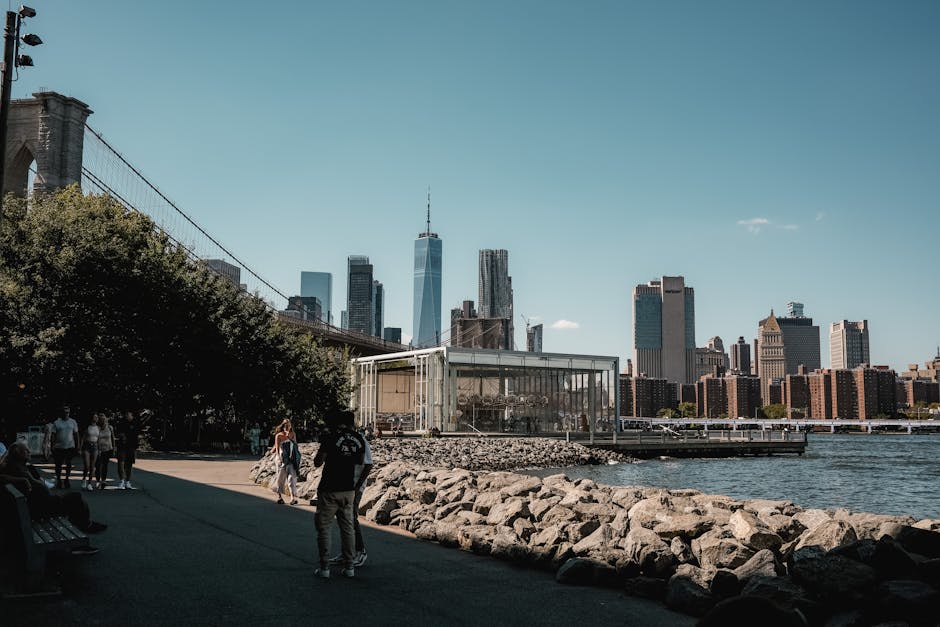
- Top of the Rock (Rockefeller Center) — New York — Address: 30 Rockefeller Plaza, New York, NY 10112, USA. Hours: typically 09:00–23:00 (varies). Fee: adult entry ≈ €35–40 (indicative). Description: the observation deck offers open views over Central Park and 5th Avenue toward the eastern horizon. Note: the deck generally isn’t open before 9:00, so to shoot sunrise from a paid platform check for early sessions or private bookings.
- Mori Tower / Roppongi Hills — Tokyo — Address: Mori Tower, 6 Chome-10-1 Roppongi, Minato City, Tokyo 106-6150, Japan. Hours: observation deck (Roppongi Hills Mori Tower) around 10:00–22:00; fee ≈ €15–20 (indicative). Description: Tokyo’s skyline stretches endlessly, with Tokyo Tower and Mount Fuji sometimes visible on clear days. As with other indoor platforms, pre-dawn access is rare; favor public hills like Roppongi Hill or the old Sumida riverbanks for natural sunrises.
Technical tips for dense urban scenes: use long lenses (70–200 mm) to compress the scene and isolate silhouettes, and wide lenses (16–35 mm) to capture the sprawling city. Low ISOs (100–400) and moderate apertures (f/8–f/11) keep images sharp with good depth of field. For light trails on water try long exposures (use an ND filter if needed).
Gear, settings and local advice to nail your dawn shots
Success at a dawn shoot depends as much on preparation as composition. Here’s a checklist and tips to optimize your images:
- Recommended gear:
- DSLR or mirrorless camera with solid low-light performance.
- Lenses: 16–35 mm for panoramas, 24–70 mm for versatility, 70–200 mm for urban tele-portraits.
- Light, sturdy tripod — essential for long exposures.
- Remote shutter release or timer to avoid camera shake.
- Graduated ND filters to balance sky and foreground, and neutral ND filters for long exposures.
- Spare batteries and memory cards (cold drains batteries faster).
- Basic settings:
- Shoot in manual to control exposure and depth of field.
- Start at ISO 100–200, aperture f/8, and adjust shutter speed to match the light.
- For silhouettes, meter off the bright sky and underexpose slightly.
- White balance: « daylight » to preserve warm tones, or shoot RAW to fine-tune in post.
- Local and practical tips:
- Check weather and light pollution forecasts; a clear dawn gives purer colors.
- Request permission if climbing private roofs or closed platforms; contact local authorities or building managers when needed.
- Respect quiet hours and neighbors: avoid loud generators or strong flashes in residential areas very early in the morning.
- For tourist hotspots arrive early to avoid crowds and get cleaner frames. Some cities are more permissive about morning photography; check municipal rules.
- Dress in layers and wear comfortable shoes if a morning walk is required.
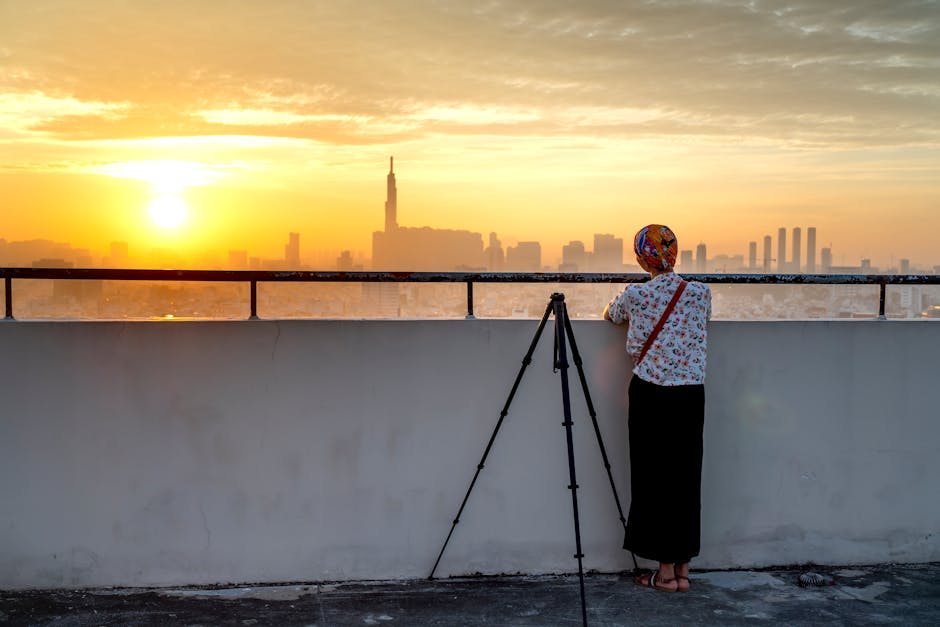
Conclusion: crafting the urban dawn like a narrative
Shooting the city sunrise is storytelling: it’s the tale of a place coming out of the night, coming back to life, revealing shapes and colors invisible by day. Public spots — esplanades, miradouros, quays and parks — offer spectacular and free opportunities, while paid observation decks provide vertical perspectives you can’t get otherwise (always check opening times and fees, and plan reservations). The addresses and examples here (Place du Trocadéro, Sacré-Cœur, Miradouro da Senhora do Monte, Castelo de São Jorge, Brooklyn Bridge Park, Top of the Rock, Mori Tower) are concrete starting points; always adapt choices to sun orientation, weather and local rules.
One last practical tip: document every outing. Note the date, exact sunrise time, azimuth, wind direction and camera settings. These records become invaluable references for repeating a shoot under different conditions. And remember urban photography ethics: respect public spaces, leave places as you found them, and watch out for your safety and others’. Urban dawns are an incredible playground for creativity; with good planning, the right gear and a visual storytelling mindset, your images can capture the fleeting beauty of a world waking up.