





Introduction
If you like walking in step with the stones and listening to the quiet stories walls can tell, Trento is a place that speaks loudly to curious strollers. Nestled in the heart of Trentino at the crossroads of Alpine routes and valleys, Trento’s fortifications reflect centuries of military campaigns, urban change and ecclesiastical power. Strolling its historic paths, you move from medieval defensive systems to more modern bastions, passing squares, towers, gates and ramparts that chart the history of a border city between Italy and the Germanic realms.
This article is a guide for urban and near-urban hikes focused on the traces of Trento’s fortifications: from the medieval walls that once encircled the old town, to the Castello del Buonconsiglio — the city’s military and symbolic heart — and out to the newer defensive lines that control access from the valley. Each route is described in detail: starting point, specific points of interest, full addresses and useful opening times, approximate admission prices, the best seasonal moods for each walk and local tips to make your hike safe and immersive.
Throughout the following sections you’ll find sensory descriptions (the feel of the stone, light playing on crenellations, views from the towers), practical tips (best times to avoid crowds, recommended gear, food stops and public toilets), and precise geographic markers to help you plan your own walking circuits. Whether you’re a history buff, a photographer, an urban hiker or a passerby, Trento’s fortification trails promise two things: tangible heritage to discover and walks that reveal the city from angles you rarely see from the main streets.
Before you go, keep in mind that access rules vary across historic sites: some interior areas require tickets (museums, closed towers), and some wall sections may be off-limits for safety or restoration. We offer alternatives and tips to maximize your encounters with the past without running up against modern constraints. Put on comfortable shoes, bring a map or a fully charged phone, and let yourself be led: walking in the footsteps of Trento’s fortifications is like reading an open-air city, one step at a time.
Medieval fortifications and the Castello del Buonconsiglio: history and immersive visit
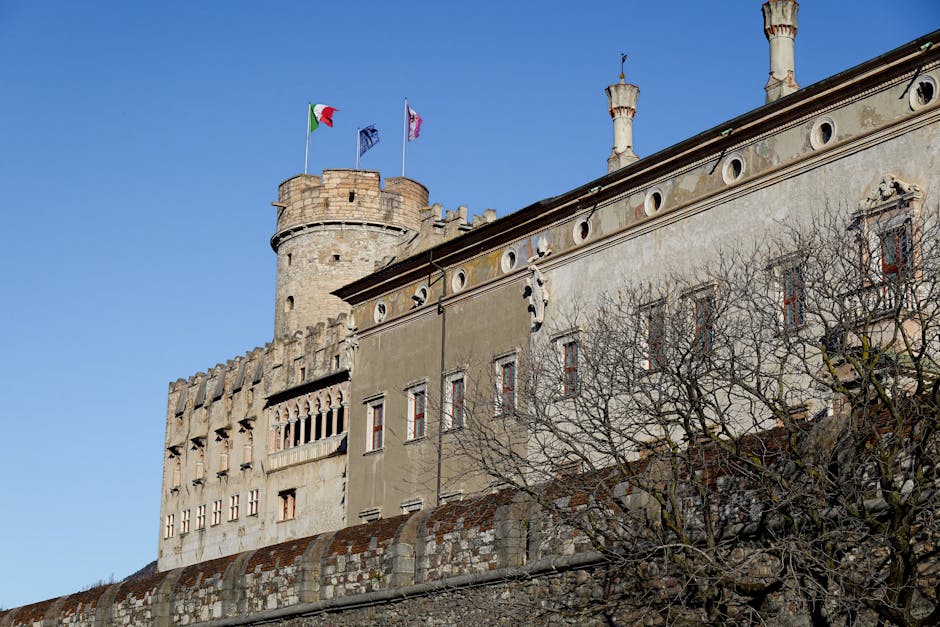
The defensive heart of Trento remains the Castello del Buonconsiglio, often just called “Buonconsiglio.” This castle complex sits at Via Bernardo Clesio, 5, 38122 Trento TN, Italy. Built between the 13th and 17th centuries, it was the residence of the prince-bishops of Trento and consists of several interconnected buildings: Torre Aquila, Torre del Vanga, the Magno Palazzo and an extension known as Castelvecchio. Touring its courtyards and painted rooms reveals how residential architecture overlapped with defensive functions.
Practical info for Castello del Buonconsiglio:
- Address: Castello del Buonconsiglio, Via Bernardo Clesio, 5, 38122 Trento TN, Italia.
- General opening hours: usually open Tuesday to Sunday, 10:00–18:00 (closed Mondays). Check the official site for exceptions and holidays.
- Indicative prices: full ticket around €10.00; reduced around €7.00 (youth, seniors, groups); some temporary exhibitions may have separate charges.
- Recommended visit time: 1½ to 2 hours for the main route and the Torre Aquila.
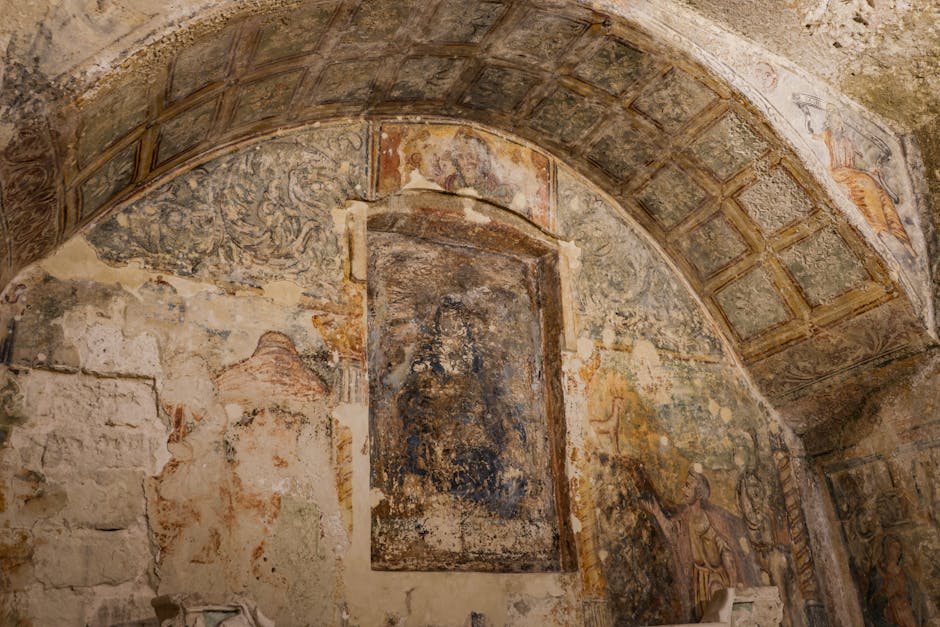
Torre Aquila is famous for the « Ciclo dei Mesi », a series of 15th-century Gothic frescoes depicting the months of the year with rural and aristocratic scenes — one of the most valuable pictorial cycles in the province. Inside the castle, the richly decorated rooms and the courtyard also offer viewpoints over the old town and the Adige River. Expect a gradual climb up stone staircases: the texture of the steps and the scent of the walls will transport you back to medieval living conditions.
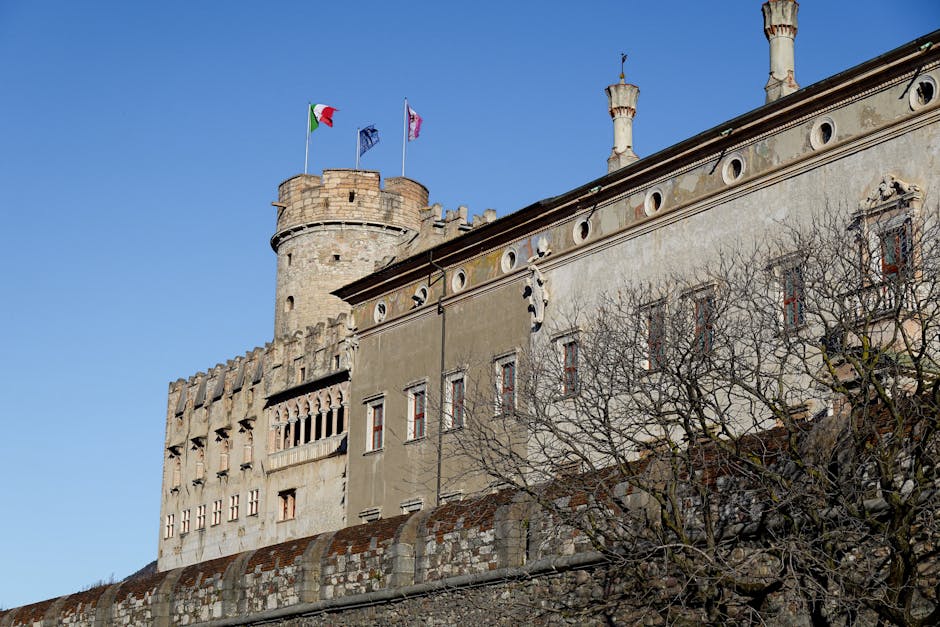
Practical tips: arrive when the site opens if you want to avoid tour groups; pick up a paper or audio guide (often available at the ticket office) to fully appreciate the frescoes; consider pairing your visit with the Museo Diocesano Tridentino (Via San Francesco d’Assisi, 24) if you have time — the diocesan museum houses important liturgical objects and documents on Trento’s ecclesiastical history.
Route 1 — Urban circuit: Duomo di Trento, Piazza Duomo and the old ramparts
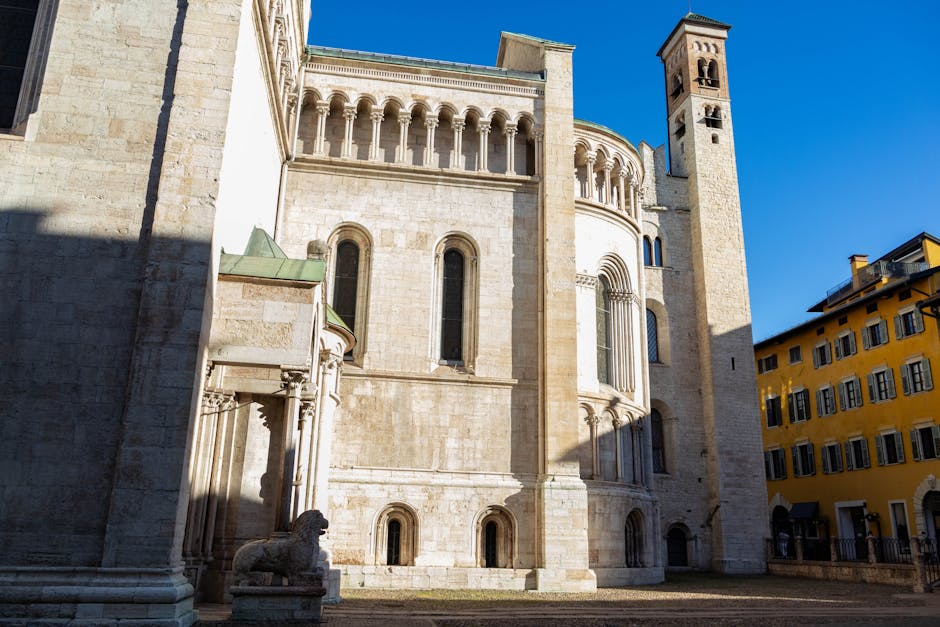
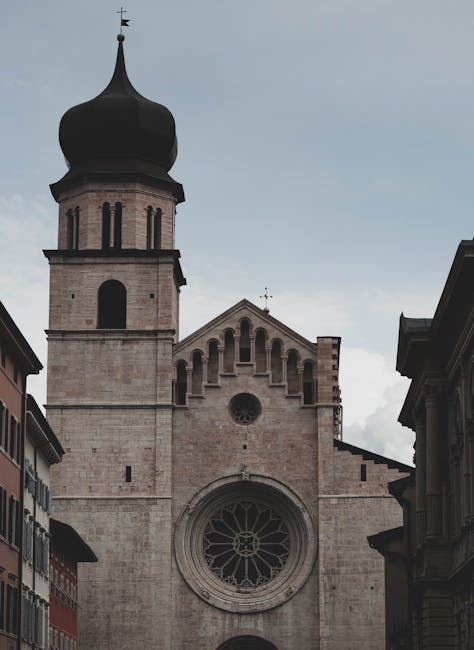
Start your historic stroll in the heart of town at Piazza Duomo: the Cathedral of San Vigilio (Duomo di Trento) is located at Piazza Duomo, 38122 Trento TN. This square is where religious architecture meets the old urban defensive lines; Baroque and Romanesque facades sit alongside traces of the walls that once enclosed the medieval center. The cathedral is an excellent starting point to trace the axes of the former fortifications that ran around the main thoroughfare (Via Belenzani) and extended toward the riverbank.
Practical info for the Duomo and the square:
- Address: Duomo di Trento (Cattedrale di San Vigilio), Piazza Duomo, 38122 Trento TN.
- Hours: the nave is generally open to the public (mornings and afternoons); mass times vary; full access is often possible from 07:30 to 19:30 depending on the season.
- Fee: entry to the cathedral is free; some areas (chapels, special guided visits) may request a donation or a small ticket (€2–5).
From Piazza Duomo, follow Via Belenzani north to admire the historic facades and spot remnants of walls incorporated into civic buildings. On both sides of the street, look for medieval towers repurposed as townhouses: they still have a compact silhouette, sometimes covered with modern plaster. At the corner of Via San Marco and Via Torre Verde you’ll see stretches of wall and possibly the Torre Verde itself — one of the towers that overlooked the old defensive ring.
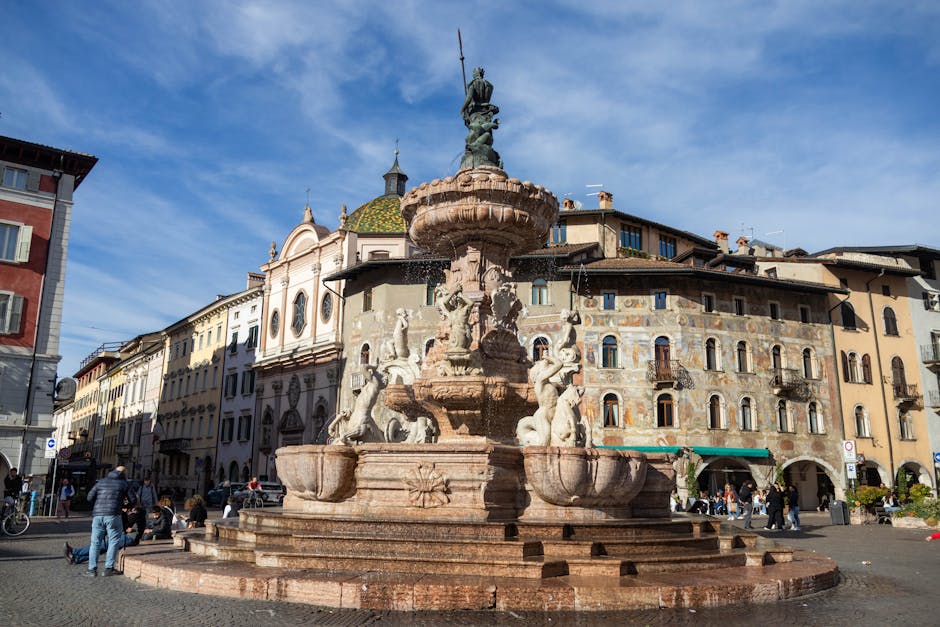
This urban circuit is perfect for a one- to two-hour walk that mixes history, coffee and small artisan shops. Recommended stop: Caffè di Piazza, Via San Marco 1 (address indicative) for an espresso and a local pastry before you continue. Photo tip: morning light illuminates the Duomo’s facade and creates a warm contrast with the stones of the ramparts; late afternoon, the golden reflection on the Adige produces very picturesque shots.
Route 2 — Stroll along the Adige: walls, gates and waterside views
Another essential route follows the Adige River, which shaped Trento and determined its strategic axes. Start near the Ponte del Duomo, then walk southwest along the riverbank toward Ponte San Lorenzo and the Piedicastello district. This riverside stretch shows how defenses adapted to the topography: lowered bastions on the banks, artillery platforms and city gates that watched over crossings.
Points of interest to spot along the riverbank:
- Ponte del Duomo (central bridge, access via Piazza Duomo) — a good spot to photograph the city’s reflections on the water.
- Ponte San Lorenzo — located near Via San Lorenzo, it offers views toward the historic islet and better-preserved wall segments.
- Piedicastello and the remains of city gates — a neighborhood that preserves traces of fortifications reused as homes and workshops.
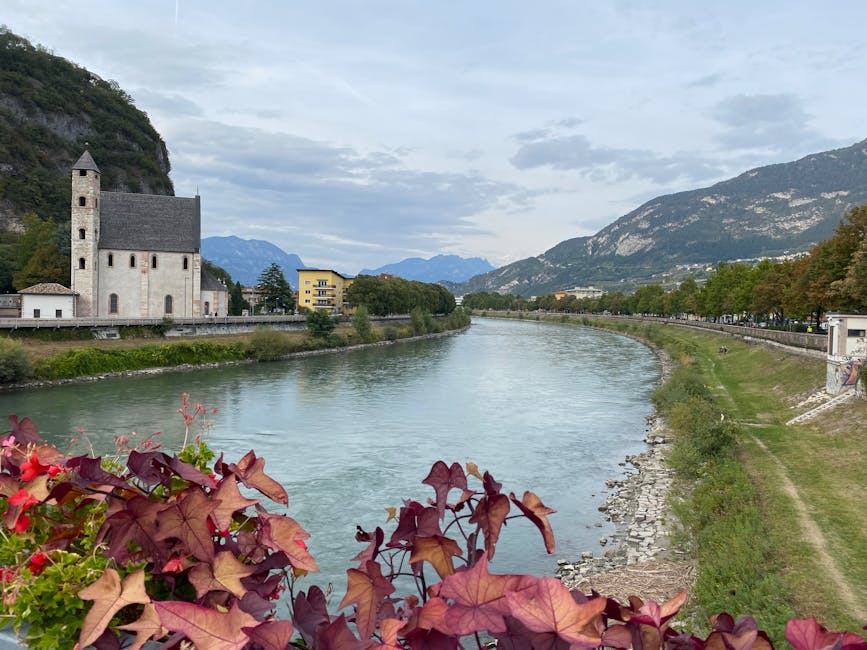
Useful address: Ponte San Lorenzo, Via San Lorenzo, 38122 Trento TN (landmark). The riverside route is generally open and accessible all day. It’s especially pleasant in spring and autumn when the riverside trees take on warm colors. Allow 1½ to 2 hours for a relaxed out-and-back walk, including stops to examine defensive niches and commemorative plaques that tell the military history of the banks.
Local tips: avoid the riverbanks during heavy rain or floods (information available from the Comune di Trento). For a lunch stop, Trattoria al Porto (local address to check on site) serves traditional Trentino dishes; look for local recommendations from residents for a more authentic meal. Finally, consider bringing a pair of binoculars if you want to study the details of turrets and crenellations on the opposite bank.
Route 3 — Bastions and later works: 17th–19th century remnants and panoramic walks
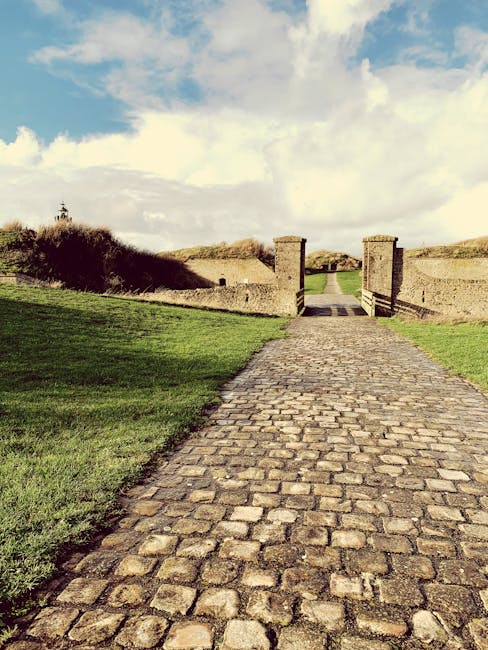
Beyond the medieval walls, Trento and its hinterland are dotted with bastioned works and forts—strengthenings built from the 16th to the 19th centuries in response to advances in artillery. Many of these elements are visible on the outskirts of the old town and on surrounding heights: bastions converted into urban terraces, artillery platforms turned into viewpoints, and former military grounds reshaped as promenades.
Examples and practical pointers:
- Bastione di Santa Croce / Bastione San Martino — remnants integrated into urban routes, generally accessible from the streets adjacent to the eastern quarter of the old town. Look for on-site panels for the detailed history.
- Belvedere di Trento (viewpoints) — several small hills and terraces north of the city offer panoramas over the plain and the Alps; these overlooks often correspond to former defensive positions.
- Parco della Predara (and other peripheral green spaces) — areas where you can find remains of defensive lines repurposed as walking trails.
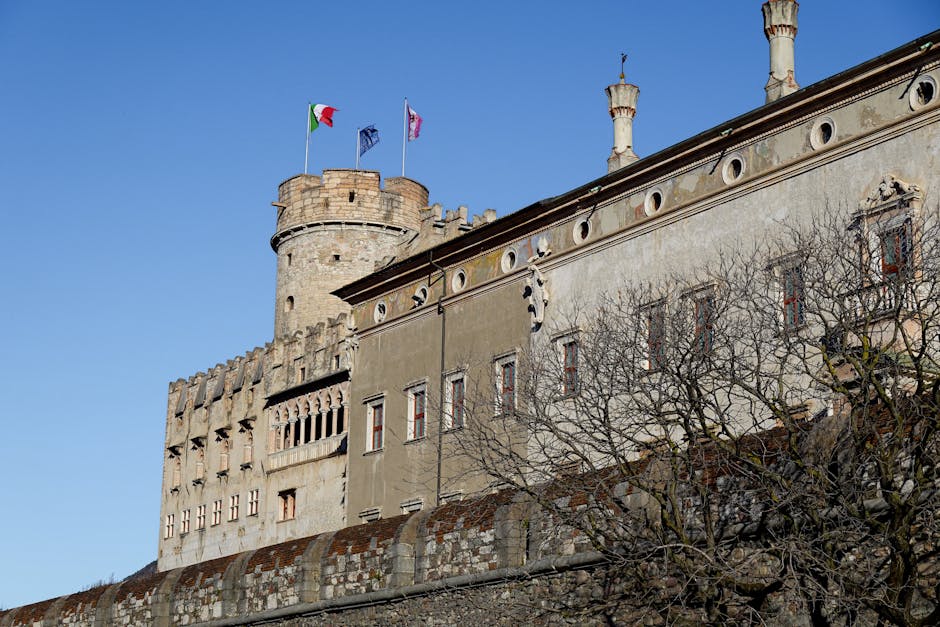
Addresses and opening times: most of these bastions don’t have a single official address and are accessible outdoors around the clock. For guided visits to the peripheral forts, check with the Ufficio Turistico di Trento (Trento Tourist Office, Piazza Fiera 1, 38122 Trento TN): they sometimes offer themed tours and brochures with detailed maps. Guided tour prices: often between €6.00 and €12.00 per person for historical themed circuits (check seasonal availability).
Practical tips for these routes: wear sturdy walking shoes (some sections are uneven stone), bring water and a windbreaker for exposed heights, and check the weather — panoramic visibility is worth the climb on clear days. For photographers, morning light favors eastern slopes, while sunset casts a golden hue across the Alpine ridges and the plain.
Practical tips, logistics and extra experiences
Planning outings on Trento’s historic trails takes a little preparation to get the most out of each walk. Here’s a collection of concrete, locally useful information to help make your stay easier.
Transport and access:
- Trento train station: Piazza Dante, 38121 Trento TN — the station is well connected to Verona, Bolzano and regional trains. From the station, the city center and the Castello del Buonconsiglio are walkable (15–20 minutes) or reachable by urban bus (lines A/B depending on destination).
- Parking: if you’re driving, look for municipal car parks like “Parcheggio di Piazza Dante” or “Parcheggio Trento Centro”; rates vary (approx. €1.50–2.00 / hour). The ZTL (restricted traffic zone) imposes limits: check signs and ask your accommodation how to obtain a temporary permit if needed.
Recommended gear:
- Urban hiking shoes with good grip, a reusable water bottle, hat and sunscreen in summer.
- A windproof jacket and a warm layer in spring/autumn: Alpine weather can change quickly.
- Camera, portable charger and a small torch if you plan to explore vaulted passages or interior towers.
Food and breaks:
- For lunch between circuits: Osteria le Due Spade (local address to confirm in town) or Trattoria forni storici on Via Torre Verde — seek out local places serving canederli, strangolapreti and Trentino cold cuts.
- Cafés: Café Pasticceria Mattivi (Piazza Duomo) for a pastry break; Caffè della Posta is often recommended by locals.
Safety and heritage respect:
- Do not cross barriers and respect areas marked as inaccessible: consolidation work is common to preserve the walls.
- Avoid climbing on crenellations or using unauthorized climbing gear — surfaces can be unstable.
- Respect local flora and fauna if you venture toward peripheral forts and wooded viewpoints.
Guided tours and resources:
- Ufficio Turistico di Trento — Piazza Fiera 1, 38122 Trento TN. Opening hours vary: often open 09:00–18:00 in high season; ask for brochures, walking maps and themed guided tours.
- Official site of Castello del Buonconsiglio (consult online) for exact opening times, updated prices and group reservations.
Conclusion
Walking in the footsteps of Trento’s fortifications is a journey that blends careful reading of the built environment with the sheer pleasure of a stroll. The city pulls off the paradox of preserving dense historical layers while remaining lively and accessible: the Castello del Buonconsiglio, scattered medieval towers, the Adige’s banks and the repurposed bastions form a network of paths that tell, stone by stone, the strategy, architecture and daily life of past centuries.
Beyond the most famous monuments — Torre Aquila and the Castle — it’s the fragments of wall embedded in facades, the discreet gates and the peripheral viewpoints that make a walking exploration so rewarding. Every detour, every climb to a lookout offers a fresh perspective: the city reveals itself in historical layers, and the walker becomes a reader. The practical information provided here (full addresses, indicative opening times, prices, route tips and local tricks) will help you plan a safe and discovery-filled visit.
Finally, remember that the best way to enjoy these trails is to take your time: let your eyes wander over the delicate lace of frescoes, feel the roughness of the stones under your fingers, pause on a bench facing the Adige and listen to the city. Whether you have half a day or several days, Trento offers memorable walks where history is readable at every step. Buona camminata — happy walking — on Trento’s historic trails.