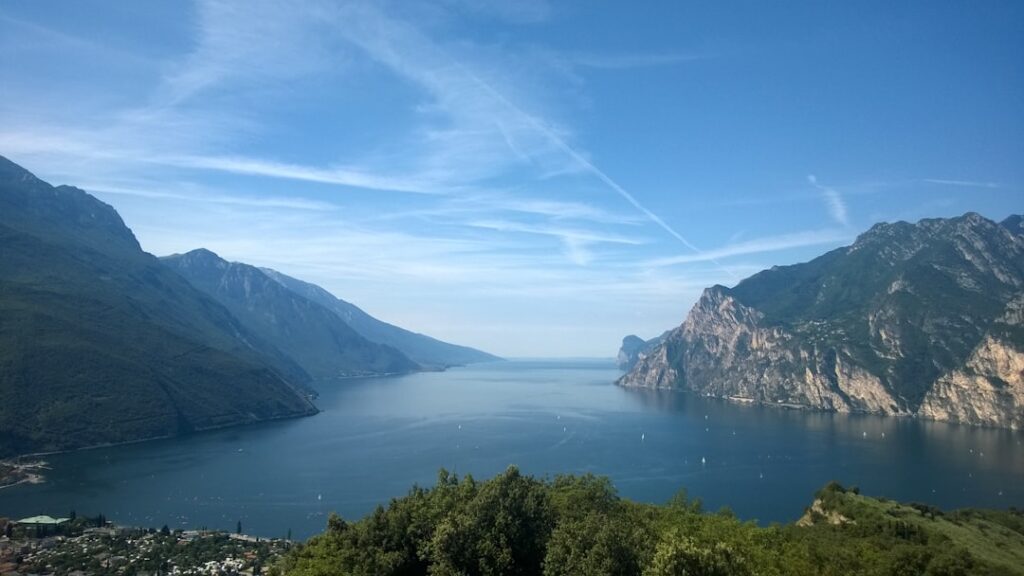






Introduction: Why a day at Lake Garda is worth it
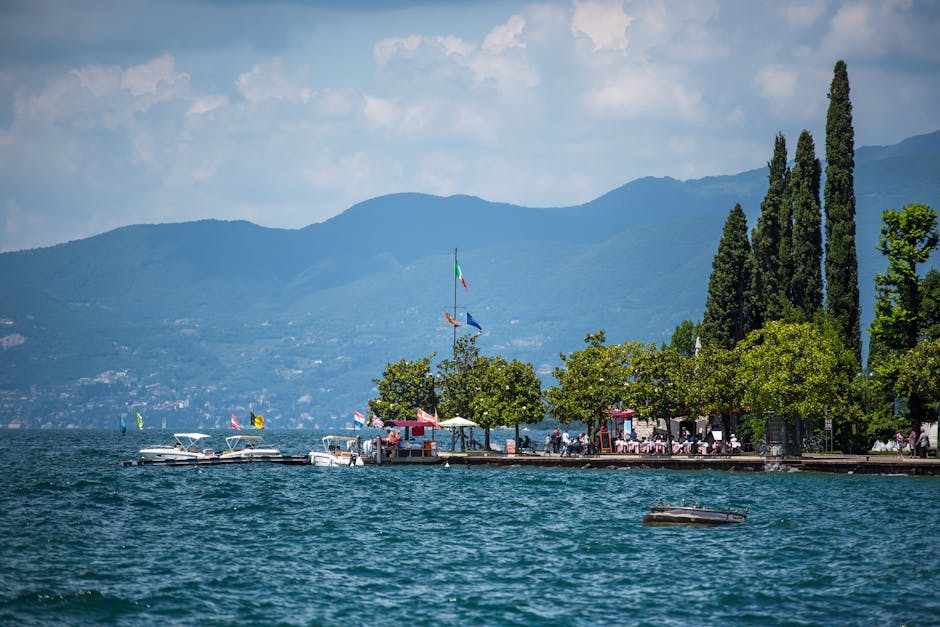
Lake Garda (Lago di Garda) is Italy’s largest lake, and with a well-planned day you can get a surprisingly rich taste of its beaches, historic towns and alpine panoramas. Straddling Veneto, Trentino-Alto Adige and Lombardy, the lake benefits from a mild microclimate year-round: lemon trees, olive groves and cypresses mingle with steep mountains that plunge into turquoise water. For time-pressed travelers, a day-trip around the lake lets you sample several moods — the Dolce Vita of lakeside promenades, the hush of rocky coves, the authenticity of medieval alleys and the vertiginous beauty of alpine viewpoints — without sacrificing the comfort of returning the same evening.
In practice, a typical day starts early from a hub town (Desenzano del Garda, Peschiera del Garda or Riva del Garda depending on your direction) and mixes strolls, quick swims, a visit to a castle or villa and lunch on a terrace. Distances around the lake are short but roads are winding and scenic: expect travel times to be longer than raw kilometers suggest. Ferries and hydrofoils operated by Navigazione Lago di Garda can also save time and add a picturesque cruise to your itinerary — a great option to avoid summer traffic and enjoy a water-level perspective.
This article is aimed at travelers who want to make the most of a same-day round trip: I detail specific places with full addresses, indicative opening hours, entrance fees and local tips to optimize timing. You’ll find recommendations for beaches (sand, pebbles, free access or paid lidos), must-see towns (Sirmione, Malcesine, Limone sul Garda, Riva del Garda, Desenzano and Gardone Riviera) and viewpoints that reward the effort (Monte Baldo, medieval castles and lakeside walks). I also include practical tips on parking, ferry tickets, where to eat local lake fish or grab artisan gelato, and how to pick between car, train or boat depending on the season.
By the end of the day — whether you return tired but satisfied or decide to extend your stay — you’ll have sampled the essence of Lake Garda: northern Italy meeting a highly varied shoreline, where every village has its own character and offers a unique view of the water and the mountains. Ready to explore? We’ll start on the lake’s most famous peninsula, Sirmione, then follow the northern and southern shores, stopping at the beaches and viewpoints that make the lake famous.
Sirmione and the peninsula: castles, ruins and thermal baths (250+ words)
Sirmione, at the southern tip of the peninsula jutting into the lake, is a must for a day visit. The city’s icon is the perfectly preserved Castello Scaligero di Sirmione, a medieval castle set on the water. Address: Piazza Castello, 25019 Sirmione BS, Italy. Indicative price: around €6.00 for access to the castle and ramparts (discounts for children and seniors). Typical hours: April to October 9:00–19:00 (last entry around 18:30), reduced hours in low season; check the official site before you go. Climbing the walls rewards you with privileged views over the clear waters and, on a clear day, the Dolomite range to the north. 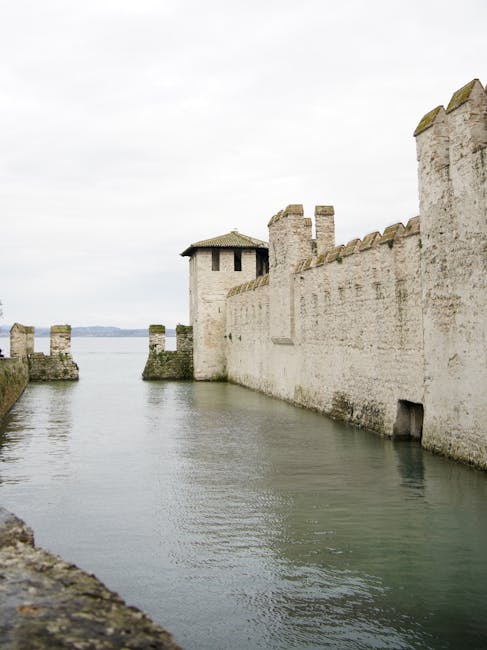
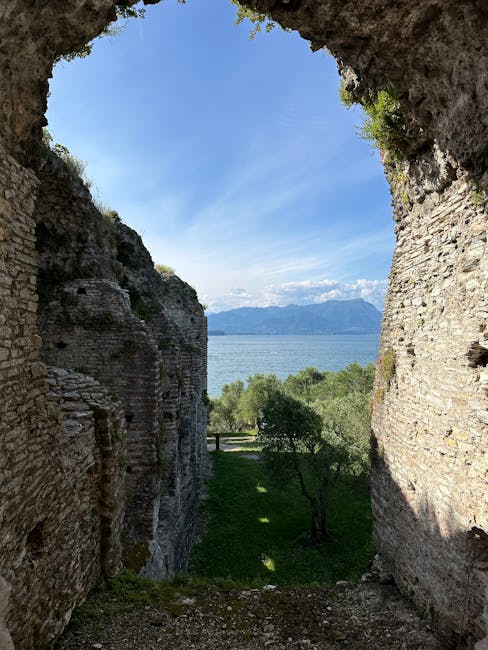
Nearby are the Grotte di Catullo, the ruins of a large Roman villa at the tip of the peninsula. Address: Viale G. Marconi, 3, 25019 Sirmione BS, Italy (Parco Archeologico Grotte di Catullo). Indicative price: €6–8; hours vary, generally 9:00–18:30 in season. The walk through the archaeological park is perfect for those who enjoy the contrast between ancient remains and a lakeside panorama. Descending from the ruins, Spiaggia delle Fontanelle and Spiaggia dei Pini offer swimming spots close by, some free and others with paid umbrellas and sunbeds.
For a relaxing stop, Sirmione is also famous for its thermal facilities: Terme di Sirmione – Aquaria (Via G. Marconi, 1, 25019 Sirmione BS). Prices and hours: spa entries à la carte or half-day packages, from roughly €25–50 for 1–3 hours in thermal pools; typically open 9:00–19:00 with seasonal variations. If you prefer a quick taste of local flavor, the main street is full of gelato shops and delicatessens selling olive oil, limoncello and marinated lake fish.
Practical tips: arrive early to avoid crowds and parking headaches — the main coach and car park is near Sirmione’s entry harbor (Lungolago degli Olivi). In high season, consider taking the public ferry from Desenzano or Peschiera to reach the peninsula and skip the queues. If your schedule is tight, focus on the castle and either a quick swim or a lakeside coffee; those experiences capture the essence of Sirmione in a short time.
Northern towns: Riva del Garda, Malcesine and Limone sul Garda (250+ words)
The lake’s northern shore is like an alpine painting: steep cliffs, cooler waters and villages clinging to the slopes. Riva del Garda, in the northwest, makes a great starting point. Don’t miss the Rocca di Riva (Rocca di Riva – Museo Alto Garda) at Piazza Cesare Battisti, 38066 Riva del Garda TN, Italy. Typical hours: 10:00–18:00 in season; indicative price: ~€4–6. The lakeside promenade leads to the Bastione, a Venetian fortification you can reach on foot (Via Bastioni 1). From the town center, the main beach Spiaggia Sabbioni (Lungo Lago Tupini) offers a large pebble shore ideal for sunbathing and swimming. 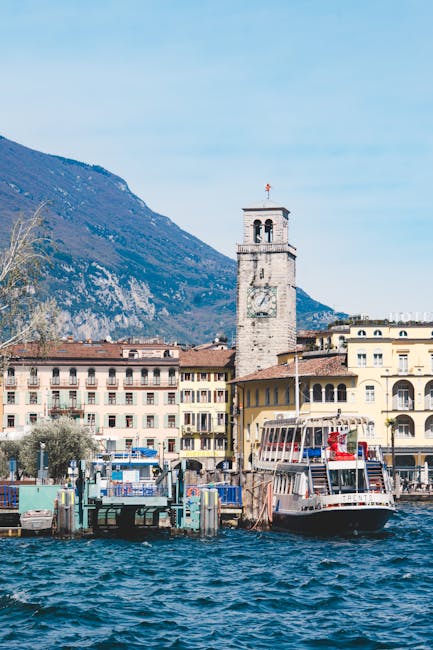
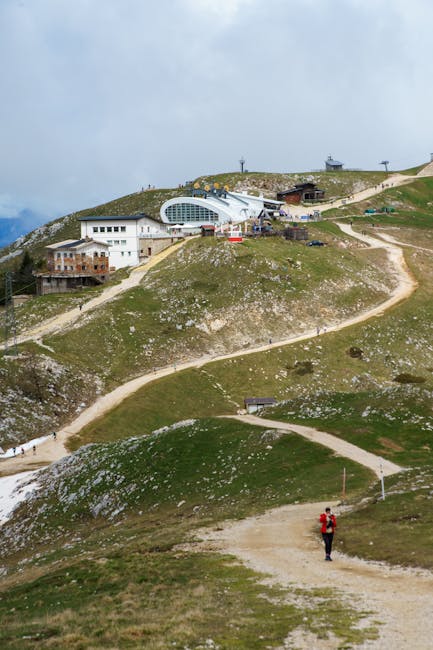
A little to the east, Malcesine is dominated by Castello Scaligero di Malcesine (Via Castello, 38018 Malcesine VR, Italy). Indicative price: €6.00–8.00; hours: generally 9:00–19:00 in high season. The castle houses a small museum and a tower with spectacular lake views. From Malcesine you can take the cable car up to Monte Baldo: Funivia Malcesine-Monte Baldo, Piazzale Ugo Betti, 38018 Malcesine VR. Round-trip fares: about €20–30 (prices vary by season and discounts). Hours: often 09:00–17:30/18:00 in summer; check for winter closures. The cable car gets you up in 10–15 minutes to grassy slopes where short-to-long trails offer stunning lake panoramas. 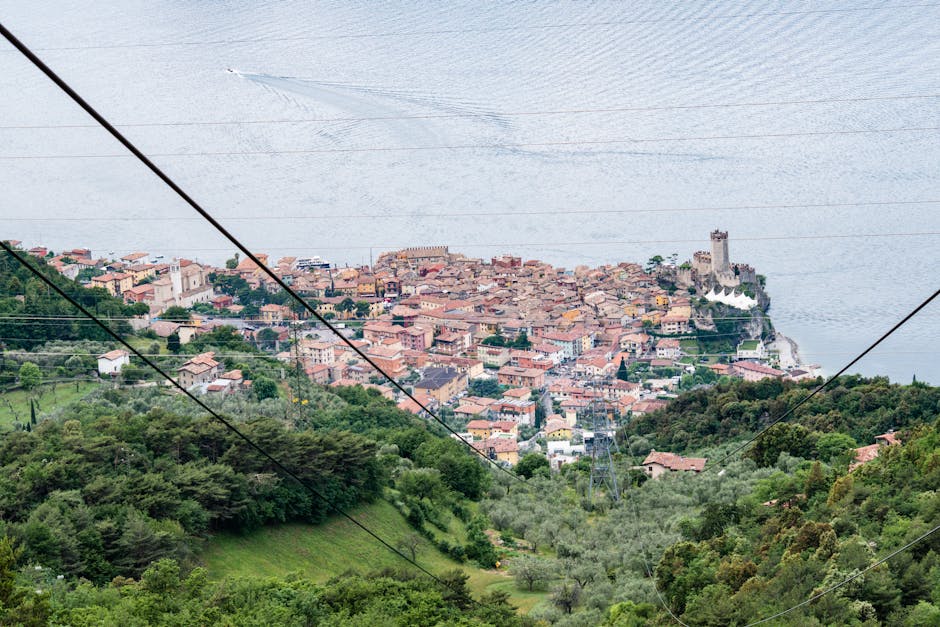
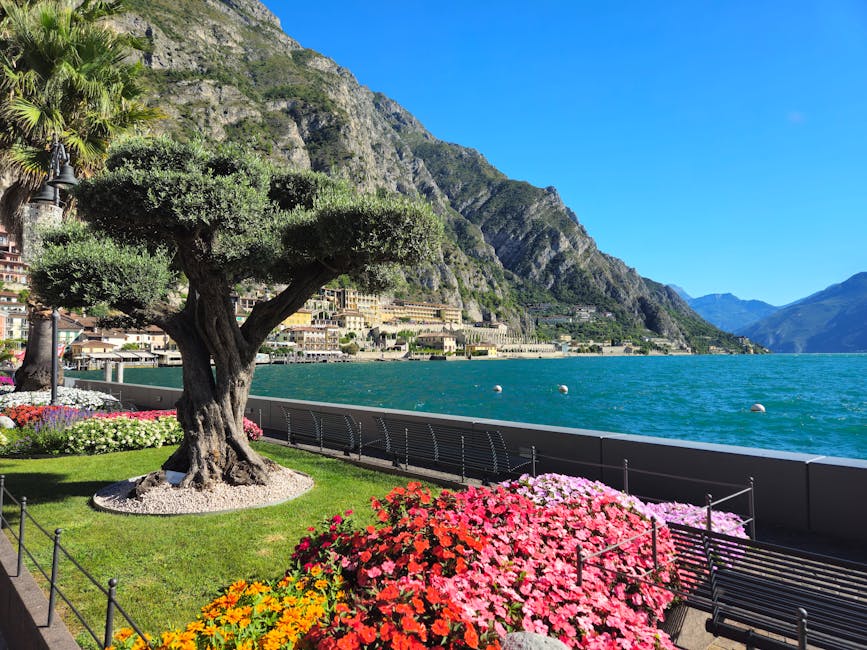
Limone sul Garda, on the northwest shore, is famous for its lemon gardens and postcard-perfect waterfront. Walk the Lungolago Marconi, the main lakeside avenue, and climb up to the old town through cobbled lanes. The Museo del Turismo (Museo del Turismo) is at Via F.lli Bonfadini, 17, 25010 Limone sul Garda BS; hours and prices vary. Small pebble beaches and private lidos (Lido delle Bionde, Lido Comunale) offer umbrellas and loungers depending on the season, with half-day rates typically €5–20 depending on services. 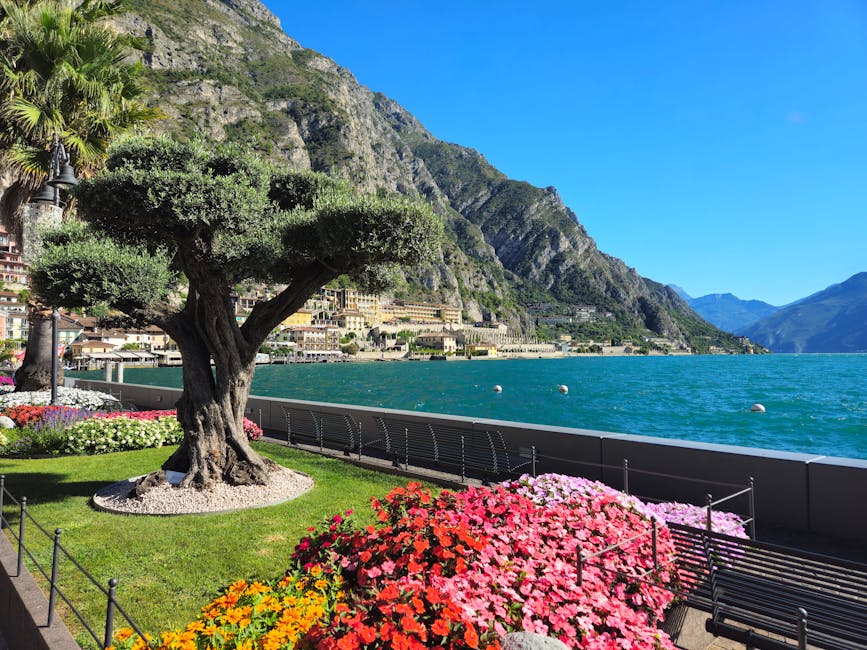
Practical tips for the north: roads are narrow and twisty, so plan a clear route and allow time for parking (paid lots near historic centers). If you want to taste local specialties, look for a trattoria serving lavarello (lake whitefish), polenta and local wines; expect to pay €15–30 per person for a main course and a glass of wine. The ferry between Riva, Malcesine and Limone is a stress-free way to link towns and gives unforgettable photo opportunities from the water.
Beaches, swimming and lidos: where to swim and what to bring (250+ words)
Lake Garda offers a wide variety of beaches: long pebble stretches, rocky coves and private lidos. For a day-trip, plan your swim stop based on the atmosphere you want. In Desenzano del Garda, Spiaggia d’Oro / Lido Mirabello (Lungolago Cesare Battisti, 25015 Desenzano del Garda BS) is a popular beach with sunbeds and nearby cafés; lido prices: ~€5–20 for day access depending on season and services. Desenzano’s center (Piazza Malvezzi) is lively and provides a good balance between beach time and café culture. 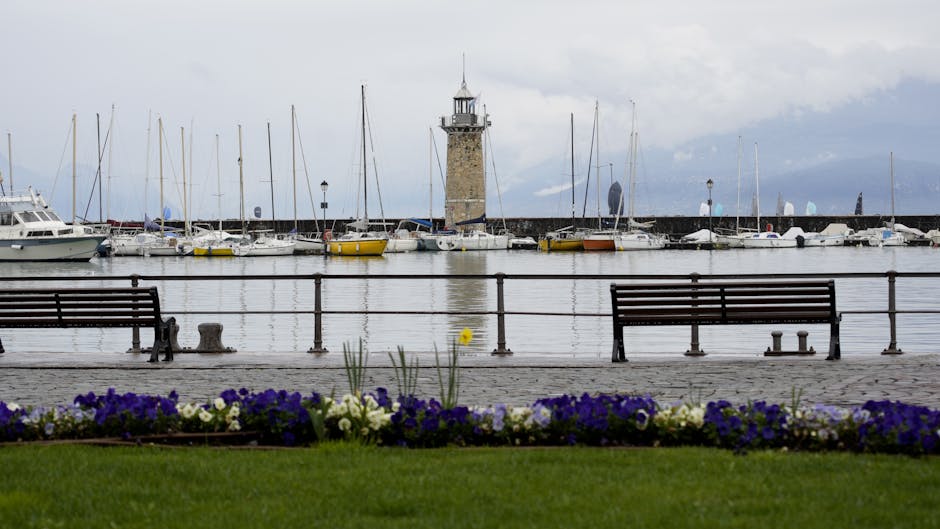
Sirmione offers several swimming areas. Spiaggia Jamaica (often called « Jamaica Beach ») on the peninsula’s west side is popular with naturists and lovers of rocky coves; access can be steep and rocky, so water shoes are recommended. For a more family-friendly option, Lido delle Bionde (Viale delle Bionde, 25019 Sirmione) offers umbrellas and kids’ play areas (prices vary, often €10–25 for the day).
On the western shore, in Gardone Riviera, Lido Blu or Lido delle Palme are quieter alternatives. For swimmers looking to prolong the experience, the lakebed is clear but cool: bring a towel, water-resistant sunscreen and a pair of water shoes for rocky entries. If you’re traveling with family, favor beaches with summer lifeguard service; these are often marked with signs for « bathing supervision » and a lifeguard station.
Practical tips for swimming: arrive early to find free parking or an affordable spot; many lidos accept both cash and card. Carry some cash for small local expenses (ice cream, umbrella rental). Keep in mind that public beaches are usually free but offer no services, while paid lidos provide toilets, showers and umbrellas — ideal for a comfortable full day.
Viewpoints, short hikes and cable cars: jaw-dropping panoramas (250+ words)
If you’re after memorable vistas during a day-trip, Lake Garda offers several short climbs and cable cars that multiply lookout points. The most iconic is Monte Baldo, reachable from Malcesine via the Funivia Malcesine-Monte Baldo (Piazzale Ugo Betti, 38018 Malcesine VR). At the top, viewpoints and easy trails like the Sentiero della Cima deliver dramatic lake-and-mountain views. Count on 1 to 3 hours for a panoramic outing without committing to a long hike. 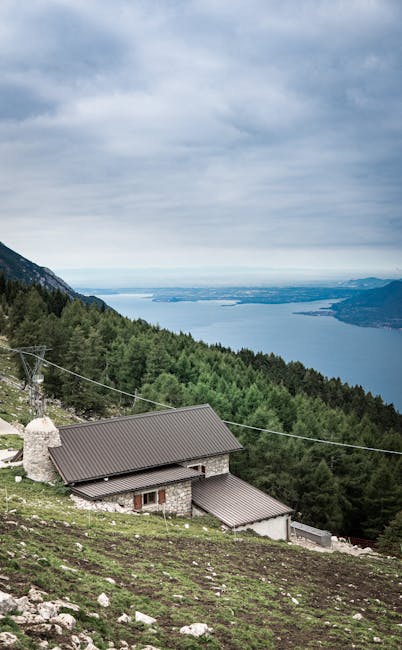
Another easy viewpoint is the Bastione in Riva del Garda (Via Bastioni), a defensive structure offering sweeping views over the old town and lake. The lakeside passeggiata at Torbole (Piazza delle Erbe, 38069 Torbole TN) is also perfect to watch windsurfers and soak up the lake’s light. For a more active climb, the Strada Panoramica (scenic road) between Malcesine and Navene has several stopping points with informational signs and parking spaces to admire the panorama.
If you prefer a gentle hike from Limone, try the first sections of the Sentiero del Ponale (starting near Riva) — the most famous part is paved and clings to the lake offering cliffside views without demanding technical skill. The trail is great for cyclists and walkers; however, protect yourself from the sun and bring water, especially in summer. For sunset panoramas, the heights around Gardone Riviera and the Vittoriale viewpoint deliver soft light over the lake.
Practical tips: check cable car hours (especially off-season), bring a light jacket because altitude cools quickly, and wear comfortable shoes. If you set out on a longer hike, tell someone your route and carry a map or offline GPS app — mobile coverage can be patchy on some slopes. Finally, respect signage and private property; many routes pass close to farms and vineyards.
Conclusion: planning your day-trip and final recommendations (minimum 200 words)
Planning a day-trip to Lake Garda takes a bit of preparation, but the payoff is well worth it: in a single day you can combine a swim on a pebble beach, a visit to a medieval castle, a stroll through a fishing village and a climb to an alpine viewpoint. To make the most of your time, pick one main direction (south, northwest, northeast) and limit yourself to two or three meaningful stops rather than trying to drive around the entire lake in one day. For example: an early start to Sirmione (castle + ruins), ferry to Desenzano for a quick coffee, then on to Malcesine for the cable car and summit views. Alternatively, focus on the north shore (Riva, Torbole, Limone) for a more mountainous, active day.
Here are some final practical tips: if you plan to use ferries, check Navigazione Lago di Garda timetables and buy tickets online or at the kiosk early in the morning when possible — fares vary but are often between €4–20 depending on the crossing. For parking, note there are central paid lots in every town (P.le Porto in Sirmione, P.zza Malvezzi in Desenzano, P.le Cesare Battisti in Riva); it’s often smarter to pay for central parking and explore on foot or by boat than to waste time hunting for free spaces. Carry some cash for certain lidos or small cafés, though most restaurants accept cards.
On the food front, don’t miss lavarello (the local lake whitefish), polenta and an artisan gelato after your swim. Budget around €15–35 per person for a mid-range terrace lunch. For clothing, favor lightweight layers, a windproof jacket for higher spots and shoes suitable for cobbled streets. Finally, respect the environment: take all your rubbish off the beaches and trails, and prefer local shops to support village economies.
In short, a day at Lake Garda can be as relaxed or as active as you want. With a solid route, checked opening times and a few priorities (beach, castle, viewpoint), you’ll come home with powerful images: crystalline water, medieval lanes, citrus gardens and alpine peaks towering over postcard-perfect villages. Have a great trip — and don’t forget your camera.