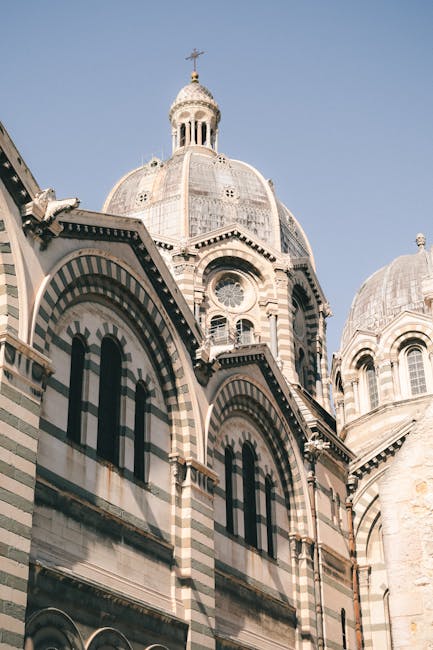






Introduction: Backlight on the Duomo — a photographic encounter with Trento Cathedral
In the heart of Trento, in Italy’s Trentino-Alto Adige region, stands the Duomo di Trento — officially the Cattedrale di San Vigilio, commonly called the Duomo di Trento — a building that dominates with its Gothic-Romanesque silhouette and the square that frames it, Piazza Duomo. For photographers, whether hobbyist or pro, the cathedral is more than just an architectural subject: it’s a stage where daylight composes a new score every hour. Backlighting in particular turns the Duomo into a dramatic, graphic subject: sharp edges, stained glass like colored windows, details plunged into shadow and luminous halos. Capturing the cathedral in these conditions takes more than technique: it requires a mindset, patience and local knowledge — from prayer times to camera settings, from angles to possible permits.
This article is a deep dive into photographing the Duomo di Trento in backlight: how to plan your visit, where to position yourself on Piazza Duomo, which focal lengths and settings to favor, and how to use surrounding elements like the Torre Civica or the Palazzo Pretorio to compose. You’ll also find essential practical information: exact addresses (Piazza Duomo, 38122 Trento TN, Italy), indicative opening times and fees, local recommendations (transport, parking, respect for religious services), and a few post-processing tips to balance shadows and highlights without losing the atmosphere of the moment.
Whether you’re a passerby or a photographer spending several mornings on the square, backlighting on the Duomo offers unique opportunities: silhouettes of people punctuating the space, pigeons in flight adding rhythm, and paved surfaces reflecting low light. The goal here isn’t just to hand you a photographic recipe, but to convey the sensory experience of the place — feeling the chill of a northern air, hearing the bells of Cattedrale di San Vigilio and sensing how the city of Trento, with its episcopal history and polychrome facades, lends itself to narrative images. Get your gear ready, check the schedules and let the light lead the way: the Duomo of Trento deserves special attention, especially when the sun sits behind its mass, sketching a scene where shadow becomes subject.
The rest of this article breaks down practical and artistic sections: positions and framing on Piazza Duomo, technical settings for backlight, ideal hours and seasonal contrasts, and tips for respecting the heritage and local community during your shoots. By the end you’ll have a complete roadmap to turn a simple visit to Trento Cathedral into a memorable photo session.
Where to stand: the best vantage points around the Duomo di Trento
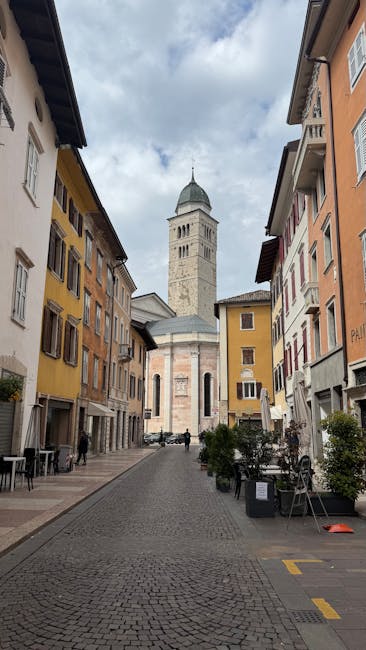
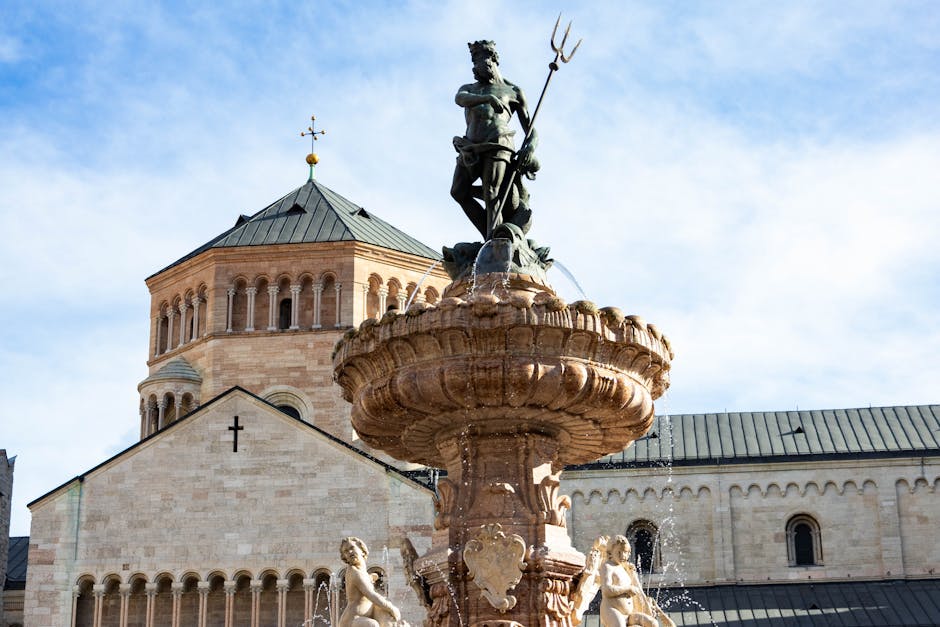
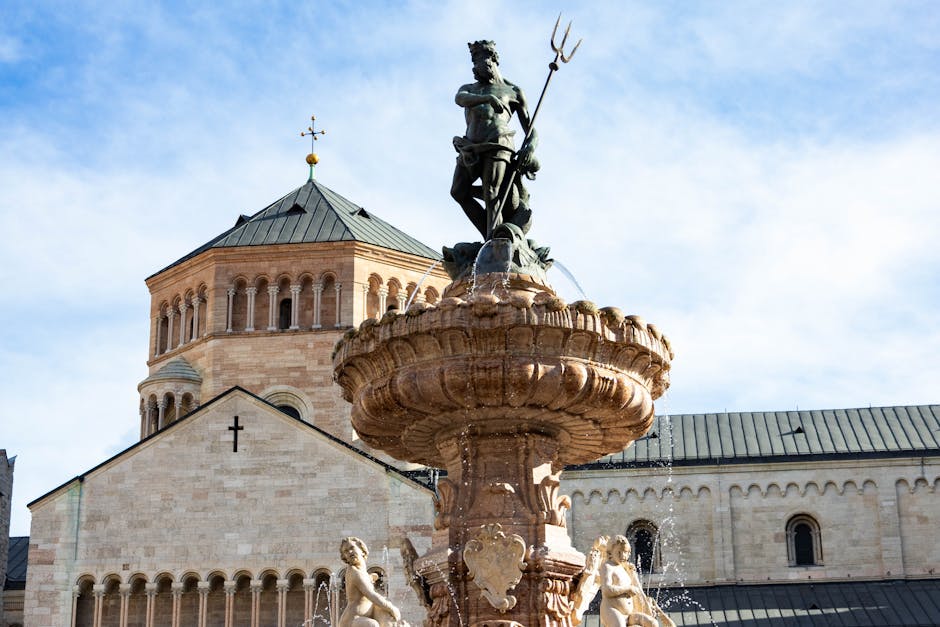
The most obvious spot to photograph the Duomo di Trento is naturally Piazza Duomo (Piazza Duomo, 38122 Trento TN). But the range of perspectives isn’t limited to a single fixed point: the surrounding architecture — Palazzo Pretorio (Piazza Duomo, 18), the Torre Civica (Piazza Duomo) and the Fountain of Neptune — offers leading lines that flatter the cathedral in backlight. For a clean silhouette, step back far enough to include the cathedral’s base and the Torre Civica; when aligned they create a strong visual balance. Stone facades and the square’s paving reflect low-angled light, and a wide-angle lens (24–35mm on full frame) lets you capture the scene without severely distorting proportions.
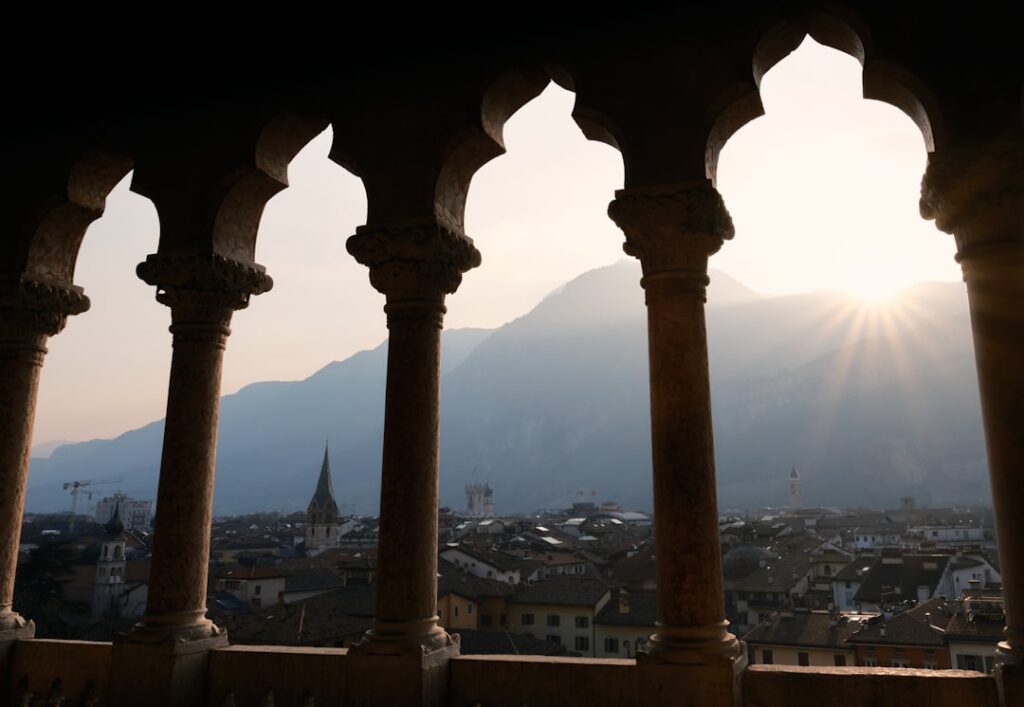
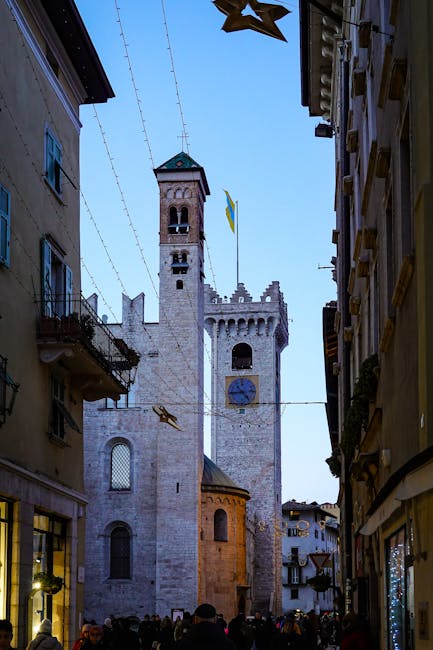
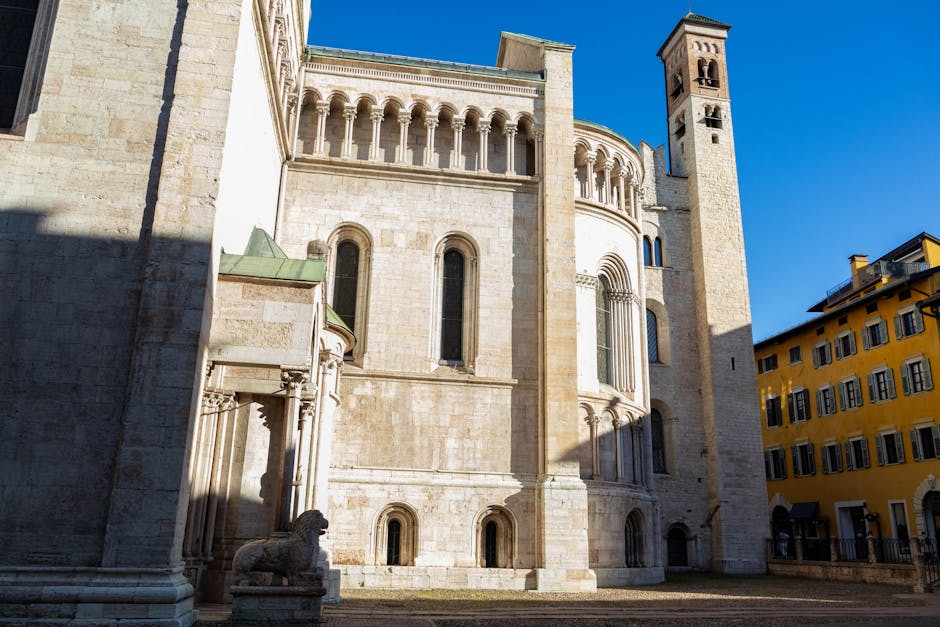
If you want to isolate an architectural detail — for example the rose window, the portal or the flying buttresses — the adjacent streets like Via Belenzani and Via S. Marco provide corridor-style frames. At dawn or dusk, side light creates long shadows that structure the image; the blue hour just after sunset is perfect for keeping a saturated sky while retaining readable silhouettes. For dramatic low-angle shots, position yourself near the Baptistery (Baptistero di San Giovanni, attached to the cathedral) and use a medium telephoto (70–200mm) to compress planes between the cathedral and the Torre Civica.
The terrace of the Museo Diocesano Tridentino (Via San Francesco d’Assisi, 19) and some windows of nearby cafés offer higher vantage points: ideal for isolating the roof and dome against a bright sky. Be mindful of the museum’s rules regarding photography gear: if entry is ticketed, check for restrictions. Finally, don’t forget reflections: after a light rain the paving stones create natural mirrors that elevate backlight shots by adding vertical reflections of the cathedral on the ground.
Technique and settings: mastering backlight on the cathedral
Backlight is a technical challenge: the scene often mixes intense highlights and deep shadows. Two main approaches are available. Option one: embrace the silhouette. Meter for the sky (aperture-priority with negative exposure compensation or spot metering on the brightest area) to obtain a crisp cathedral silhouette with a rich sky. An aperture between f/8 and f/11 gives good depth of field and overall sharpness. Keep ISO at 100–200 to minimize noise, and adjust shutter speed according to light — if you want to freeze people in motion, choose at least 1/250s in daylight.
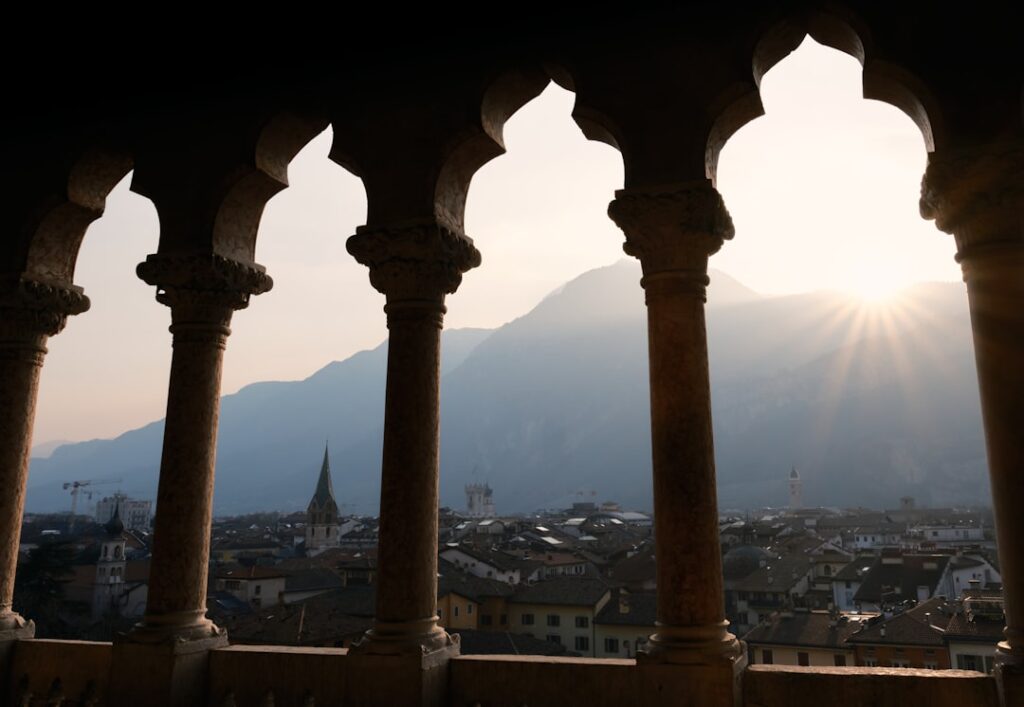
Option two: recover shadow detail. For this, plan exposure bracketing (3 to 5 frames) to merge into HDR, or shoot RAW with slightly conservative exposure to work in post. RAW files let you lift shadows without blowing out highlights, but watch for noise in recovered areas. A graduated neutral density (ND grad) filter can help if the sky is much brighter than the ground — place the graduation between the top of the cathedral and the sky to balance exposure.
Accessories matter: a sturdy tripod (especially at dusk), a remote shutter release, and a cloth to wipe the lens in humid conditions. For lenses: a 16–35mm for wide scenes, a 24–70mm for flexibility, and a 70–200mm to isolate architectural details. In post-processing, work with the tone curve: lower highlights slightly, lift shadows and tweak local clarity to bring out the portal sculptures. Don’t overdo artificial HDR: the aim is to preserve the backlight atmosphere — contrast, subtle grain and muted color often read more convincingly.
Visiting and respecting: hours, fees, addresses and practical tips
To plan your visit, here are practical details and useful addresses you should know before going to the Duomo di Trento:
- Duomo di Trento — Cattedrale di San Vigilio: Piazza Duomo, 38122 Trento TN, Italy. Entry: the cathedral itself is generally free to enter (donations suggested during visits). Indicative hours: morning opening around 7:30–8:00, closing between 18:00–19:30 depending on season; masses and services can restrict access to certain areas. Check locally or consult the Curia Tridentina’s website before your shoot to avoid conflicts with services.
- Museo Diocesano Tridentino: Via San Francesco d’Assisi, 19, 38122 Trento TN. Indicative fees: adult ticket around €3–5; reduced €2–3; indicative opening hours: 10:00–18:00 (may be closed on Monday). The museum gives access to viewpoints and collections tied to the city’s religious history.
- Torre Civica: Piazza Duomo, 38122 Trento TN. Climbing the tower offers an elevated view over the square and rooftops; ticket price varies seasonally (around €2–4). Opening hours and availability depend on municipal events.
- Palazzo Pretorio: Piazza Duomo, 18, 38122 Trento TN. Museum and temporary exhibitions; hours and prices vary by exhibition.
Local practical tips:
- Respect religious celebrations: avoid photographing during masses and don’t disturb worshippers. Check mass times (often morning and evening) posted on the cathedral door.
- Tripods: outdoors on Piazza Duomo tripods are usually tolerated unless there’s an event or market. Inside the cathedral or museums, tripods may be banned — ask staff.
- Transport: Trento train station (Stazione di Trento, Piazza Dante Alighieri, 38122 Trento TN) is about a 10–15 minute walk from Piazza Duomo. For parking, nearby public underground lots include Parcheggio Piazza Fiera (Viale Rovereto) and Parcheggio S. Chiara; daily rates vary (€3–15 depending on duration and location). Favor walking to enjoy the historic streets leading to the cathedral.
- Safety and gear: keep your equipment close, especially during peak tourist hours. Bring rain protection and extra batteries: golden hours are short and costly if the battery dies at the wrong time.
Finally, consider local weather: in winter the sun sits low and backlight stretches earlier, while in summer golden light arrives much later in the evening. Adapting your schedule to the season is often the key to maximizing image quality.
Artistic approach and post-processing: enhancing backlight without betraying reality
Photographing in backlight is as much an artistic choice as a technical one. In the studio or in post-processing, the goal is to balance deep shadows and bright highlights while preserving mood. Start with a RAW file: it contains enough information to recover details in clipped areas. When editing, think in layers: sky, main silhouette (the cathedral) and foreground (people, paving, architectural elements). Use local masks to darken or brighten parts without altering the whole image.
Concrete techniques:
- Highlights reduction: lower highlights to bring back sky nuances, especially when clouds or sunset colors are present.
- Shadow lifting: increase shadows gradually but watch for noise and loss of contrast; apply noise reduction masks if necessary.
- Clarity and texture: slightly increase local clarity on facade reliefs to add depth without producing artifacts. Avoid extreme settings that create an overly HDR look.
- Color balance: in backlight the sky can shift toward cyan or orange; tweak white balance to match the time of day (warmer for sunset, more neutral at dawn).
Composition: leave dark areas to reinforce the silhouette reading. Include human elements — street vendors, passersby in motion — to provide scale and life. Play with reflections on wet paving to create mirror readings that double the graphic strength of backlight. Don’t hesitate to produce series: a wide shot at dawn, a portal detail at noon, and a silhouette at sunset. These variations tell the building’s story through light and are more likely to engage a broader audience.
Conclusion: return, learn and honor the place’s memory
Shooting the Duomo di Trento in backlight is not just a quest for a spectacular image: it’s a dialogue with a place steeped in history — the Cathedral of San Vigilio is both a religious monument and Trento’s civic heart. The plays of shadow and light challenge the eye and demand patience, respect and reflection. Throughout the preceding pages you’ve been given concrete landmarks: precise addresses (Piazza Duomo, 38122 Trento TN; Museo Diocesano Tridentino, Via San Francesco d’Assisi, 19), indicative fees and times, technical tips (settings, lenses, accessories), and social and practical recommendations so as not to offend the local community.
More than a technical guide, consider this page an invitation to slow down: revisit the square at different times, watch how shadows shift and note the angles that best tell the Duomo’s story. Respect service times, ask permission if you plan to use professional equipment on site, and favor discretion inside the cathedral. Finally, share your images with informed captions that restore the historical and cultural context — your photos will gain depth if they convey not only what is seen but also what is known about the place.
Backlight photography is an ongoing learning process: experiment, correct, and above all observe. The walls of the Duomo di Trento have heard centuries of stories; your images can offer a contemporary, sensitive and respectful reading of them. Whether you aim for a single decisive shot or a documented series, remember that the essentials are attention to light, composition and context — the cathedral will reward your care with images that move and endure.