





Introduction: Trento and its secret balconies — see the city from a different angle
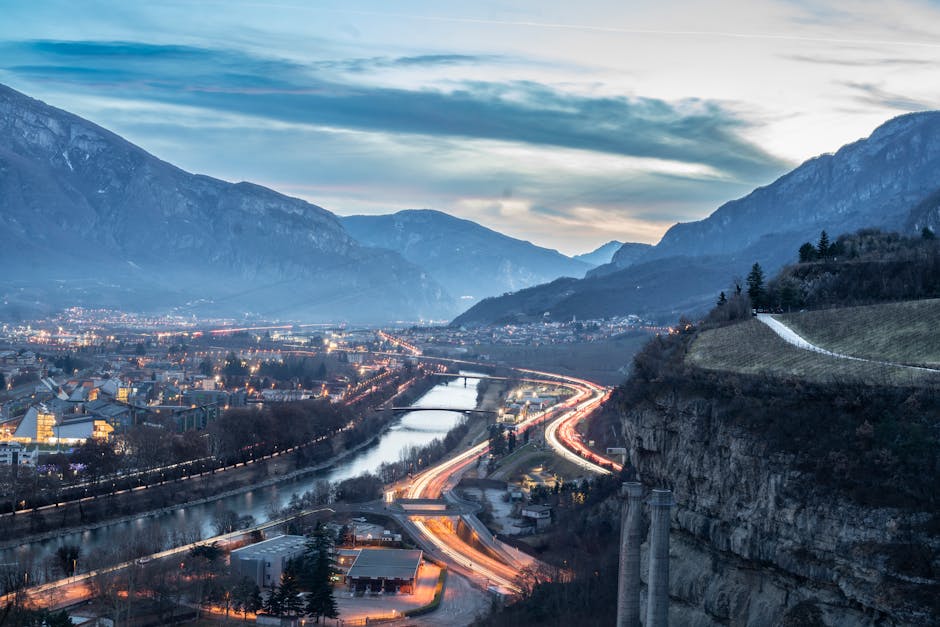
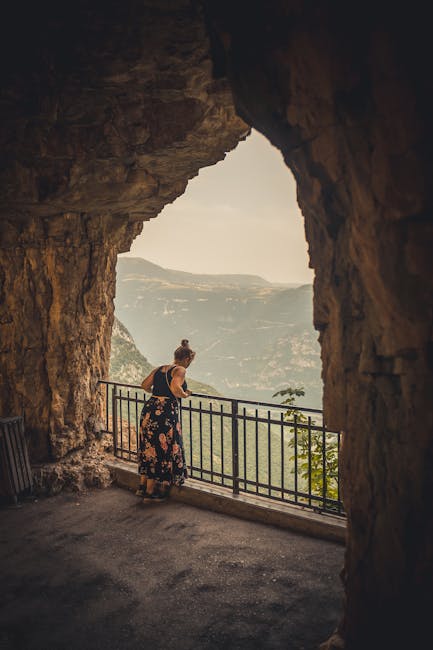
Trento (Trento in Italian) is often thought of as a stylish stop between the Dolomites and the Po plain: a city of brick arcades, episcopal history and contemporary museums. But beyond the must-see museums and bustling squares, the city hides a number of “balconies” — terraces, towers, hills and elevated promenades — that reveal unexpected, intimate panoramas over red roofs, the Adige River, mountain ranges and secret gardens. These viewpoints don’t always appear on mainstream tourist maps, yet they’re the real treasure for curious travelers who want to experience Trento from above: perspective shifts, colors pop, and the city unveils its layers of stone, history and everyday life.
In this guide I’ll take you to Trento’s lesser-known balconies — places where the view turns into a story: the forgotten terrace of Castello del Buonconsiglio, the bell tower overlooking Piazza Duomo, the natural viewpoints on Doss Trento and Monte Bondone, and the contemporary rooftops of the MUSE and the café terraces on Via Torre Verde. For each spot I include practical essentials: full address, usual opening hours, entrance fees, an immersive description and tips for catching the best light or avoiding the crowds. My aim is to turn your visit into a string of suspended moments — the misty early morning over the Adige, the sunset setting the Dolomites alight, the city lit up as street lamps come on.
You’ll also find local tips: where to grab a coffee before you climb, which shoes to favor, which hours to avoid for photography, and how to combine several viewpoints into a coherent walk. Panoramic views aren’t reserved for hardened hikers: many balconies are connected on foot from the historic center, others require a short bus ride or funicular, and sometimes just a brief climb up a stairway. I’ve also added visual markers to help you picture each panorama before you go. Whether you’re an amateur photographer, architecture fan, hiker or contemplative traveler, these secret balconies of Trento will give you a fresh emotional map of the city.
Historic balconies: towers, cloisters and rooftops in the old town
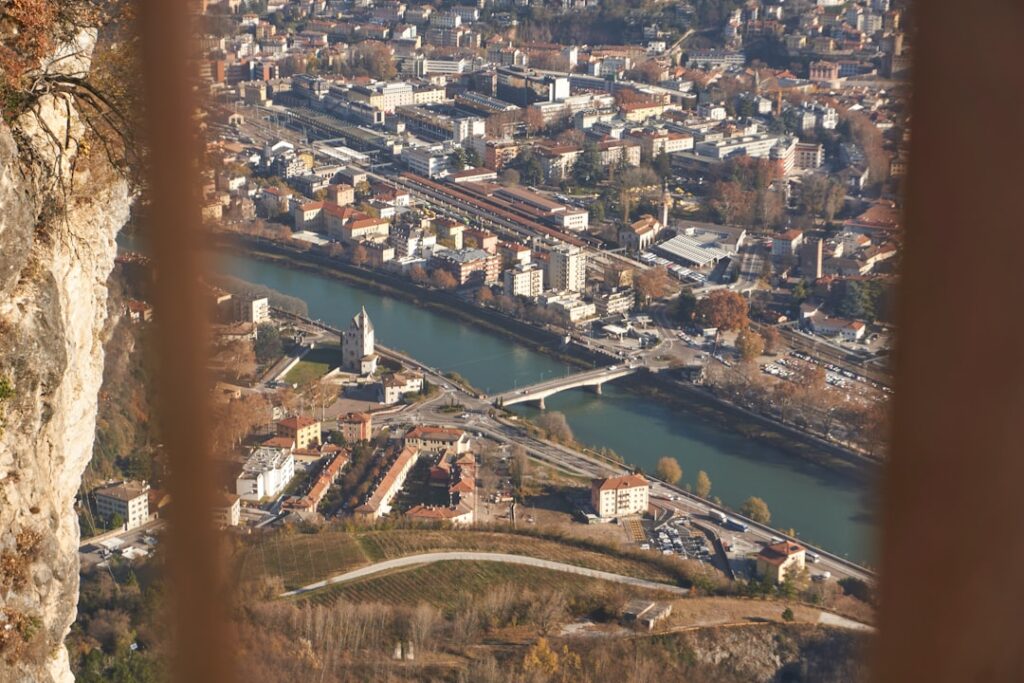
Castello del Buonconsiglio (Castel del Buonconsiglio), once the seat of the prince-bishops, is one of the best starting points to understand Trento from above. Address: Via Bernardo Clesio 5, 38100 Trento TN. Usual opening hours: 10:00–18:00 (last entry 17:00), closed some Mondays off-season; Indicative entrance fee: €8.00 for standard entry, student discounts and family rates available. From the castle’s upper terraces you look down over the Adige valley, spot the cathedral and the city grid, and read the city’s historical layers: medieval walls, contemporary roofs and distant mountain foothills. The contrast between the richly painted interiors (notably the Loggia Magno) and the austere mineral exterior towers makes the visit doubly rewarding.
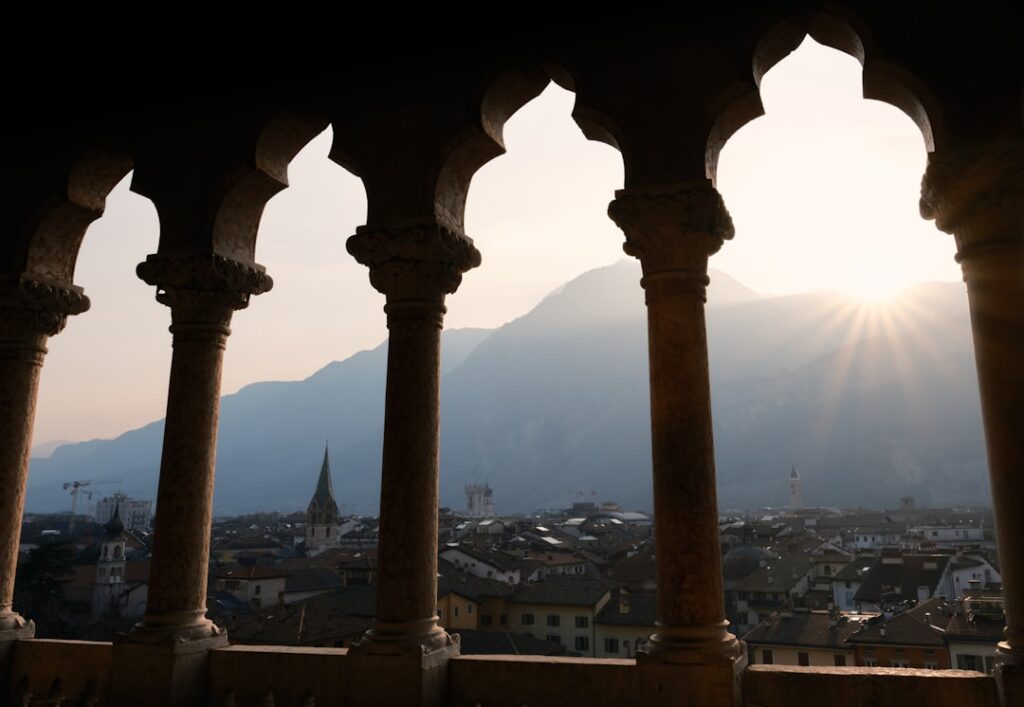
Right next door, the Torre Civica (civic tower) rises from Piazza Duomo. Address: Piazza Duomo, 38122 Trento TN. Hours: the tower often follows the Duomo or Episcopal Palace schedule — opening times vary between 9:00 and 17:30 depending on the season; Price: a small fee to climb (around €3.00–5.00) or sometimes included in combined tickets. Climbing the tower means accepting a slightly narrow spiral staircase, but the reward is immediate: a 360° view over Piazza Duomo, Doss Trento, and long arcade-lined perspectives. From this height you can study bell tower details and rooftops — great for spotting pedestrian routes to other viewpoints.
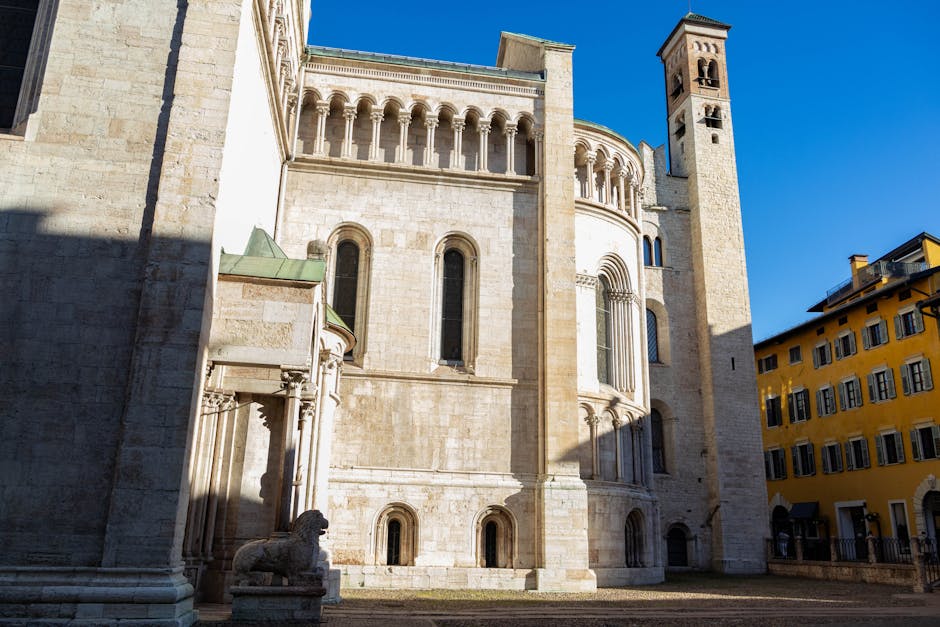
Another often-forgotten balcony is the cloister of the Cathedral of San Vigilio (Duomo di Trento). Address: Piazza Duomo, 38122 Trento TN. The Duomo is generally accessible for free (hours: 9:00–18:00 during the day; religious services can limit access), but certain areas — like the cloister or bell tower — may require a contribution. From the cloister the view is less panoramic but more intimate: arches, sculptures, mosaics and the life of the square below. It’s the perfect spot for quiet morning photos when deliveries and foot traffic are still light.
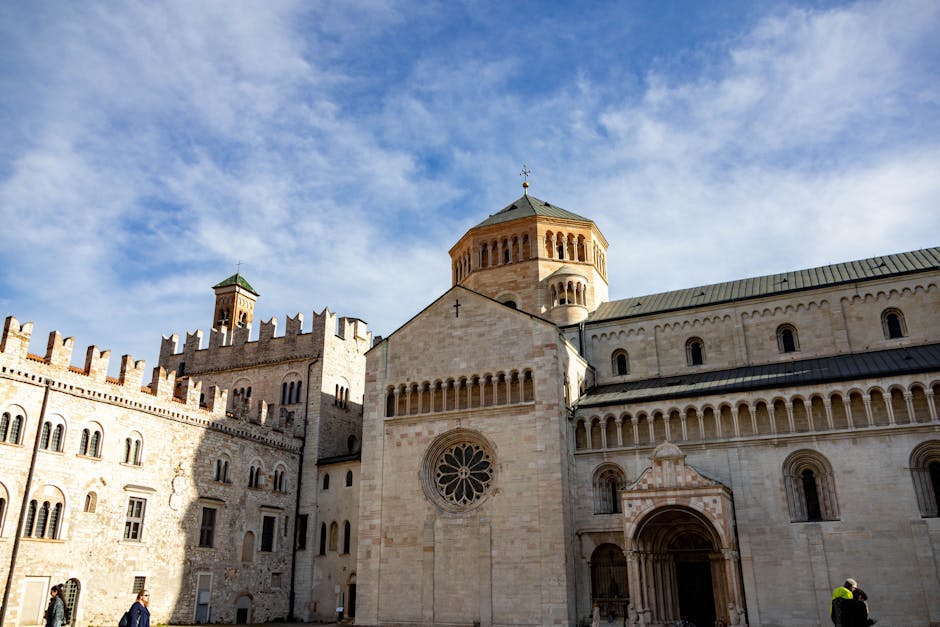
Natural viewpoints: Doss Trento, Monte Bondone and elevated walks
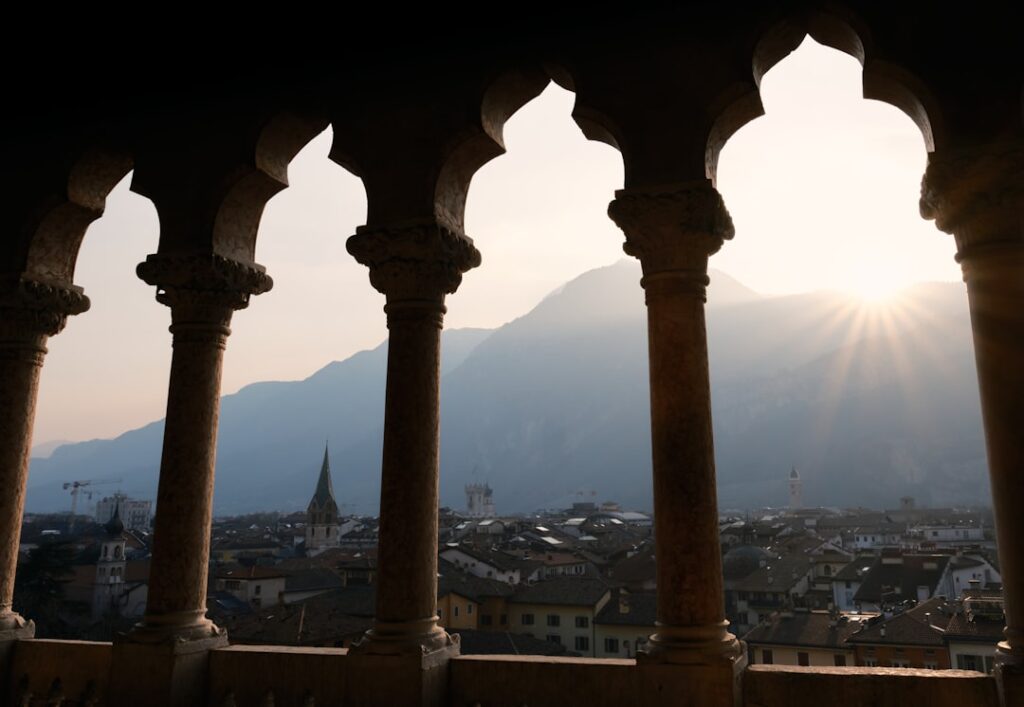
Doss Trento is a hill that overlooks the right bank of the Adige and can be reached from the center via a series of easy steps and paths. Main access points: Via Santa Croce or Via Doss Trento (depending where you start). Access: free. The summit of the Doss offers an open panorama over the city and a privileged perspective on the Buonconsiglio walls and the river axis. Visiting at sunrise is especially recommended: the low light makes façades stand out and the mountain ranges take on rosy hues. For families, Doss has shaded areas and benches; for photographers, various platforms let you frame the cathedral with mountains in the background.
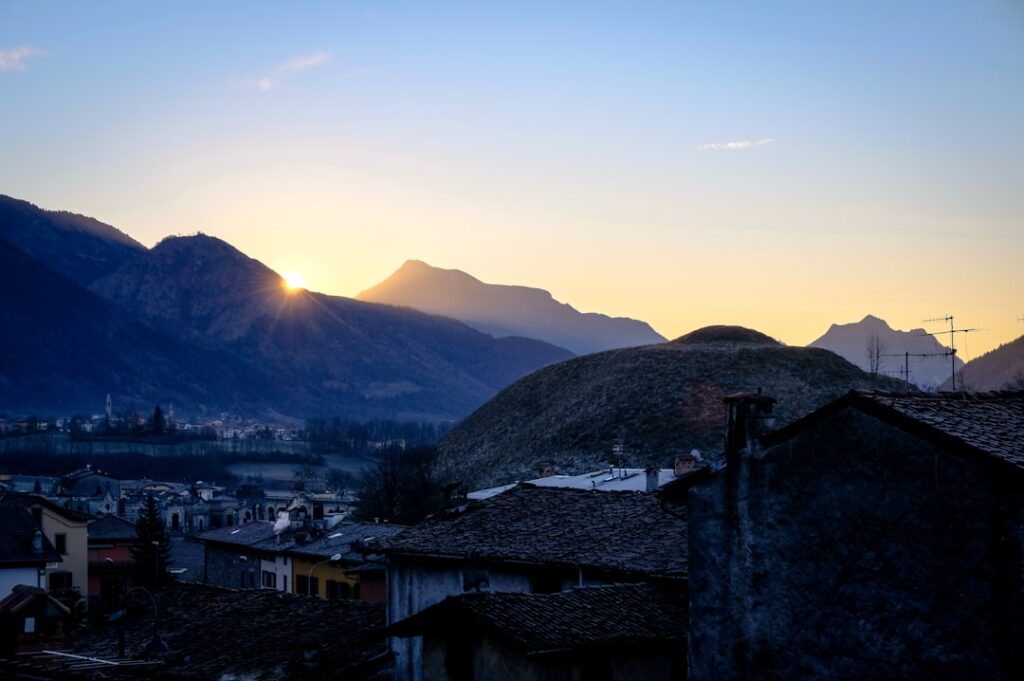
A more ambitious leap takes you to Monte Bondone, the massif that towers west of Trento. Access points: road to Vason (locality Vason, 38088 Vason TN); alternative: seasonal bus from Trento (stops at Piazza Dante or the station). Cost: car or bus fares vary (local bus ~€2–4), cable car/chairlift if used — around €6–15 depending on route and direction. Hours: dependent on season; in summer and winter tourist facilities usually operate roughly 8:00–18:00. Monte Bondone’s natural overlooks deliver crisp alpine panoramas, especially at sunset when the Dolomite ridges cut striking silhouettes. Short hikes (30–60 minutes) around Vason provide spectacular viewpoints without technical gear.
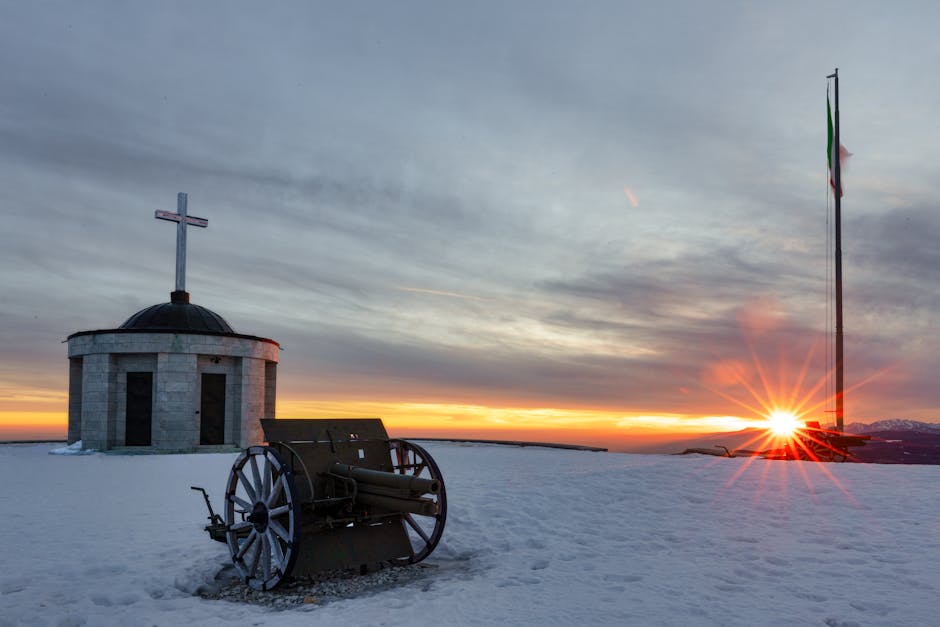
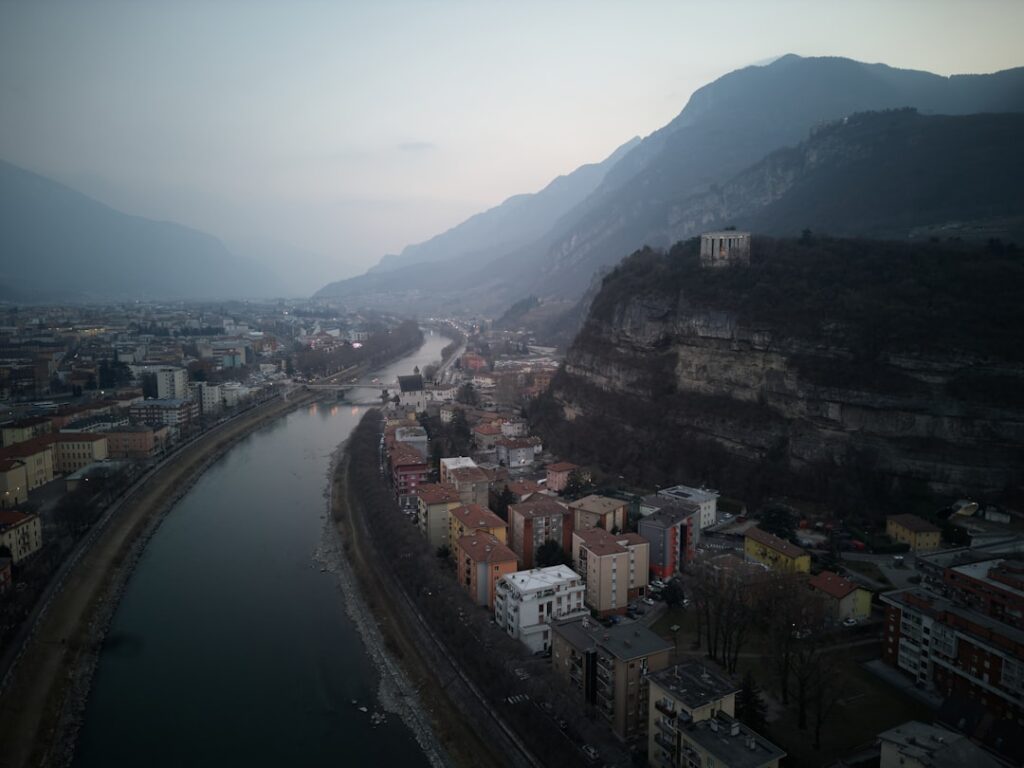
For an easier but equally scenic stroll, follow the Passeggiata del Lungo Adige: a walk along the Adige River with several bridges and small viewing terraces. Access points: Via Torre Verde and Ponte Vecchio (Ponte della Torre); access: free. The route is flat and accessible, perfect for combining views with a leisurely wander. At dusk, the light on the water doubles the city and makes it particularly photogenic.
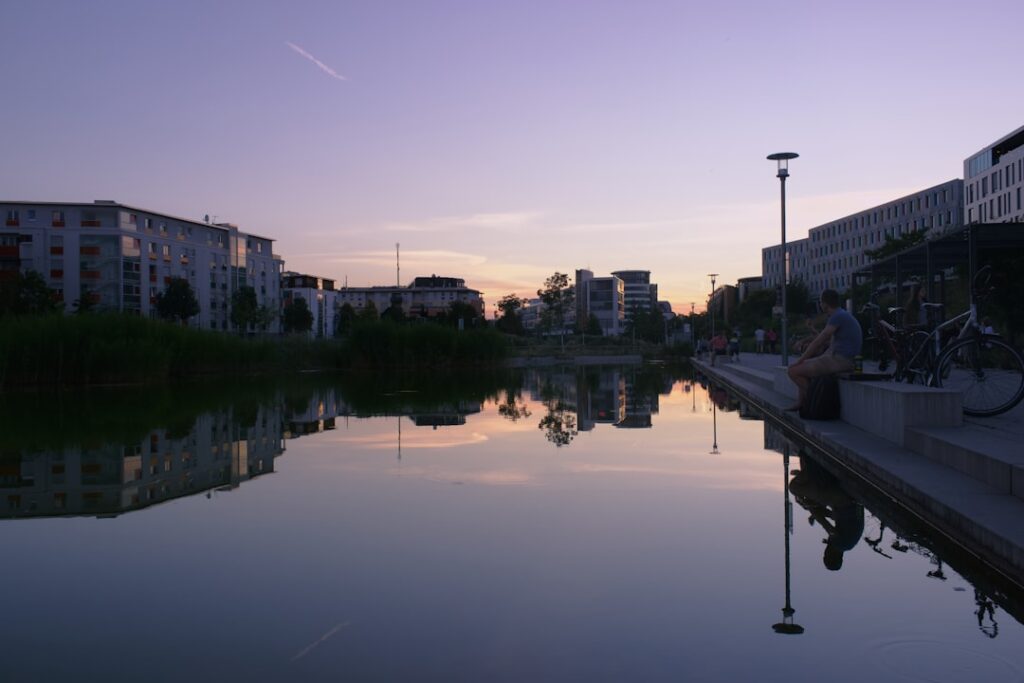
Contemporary and culinary balconies: MUSE, café terraces and rooftops
MUSE — Museo delle Scienze di Trento — is a modern science museum that, beyond its exhibits, offers interesting terraces and observation points. Address: Corso del Lavoro e della Scienza 3, 38123 Trento TN. Hours: usually 10:00–18:00, closing times vary on Mondays off-season; Entrance fee: around €9.00–12.00 depending on temporary exhibitions and discounts. From some of the MUSE’s large windows and terraces, the view over the Adige valley and the neighborhood’s modern roofs is surprising: the meeting of contemporary design and alpine landscape makes for a compelling photographic subject.
Trento also has no shortage of café terraces and small restaurants that act as “gastronomic balconies.” Example: Caffè Ariel, Via Torre Verde 10, 38122 Trento TN — addresses and hours can vary, but many cafés open from 7:30–8:00 and close late (22:00–23:00); price of a coffee: €1.20–2.50, a light dish: €6–12. Terraces on Via Belenzani or Via Oss Mazzurana offer street views and, sometimes, distant hillside vistas. For an aperitif with a view, look for bars with terraces on Piazza Fiera or along Corso Buonarroti.
Practical tip: to enjoy rooftops and terraces, book a table in the evening, especially in high season (May–September, during festivals and fairs). Many venues accept bookings by phone or via their Facebook/Instagram pages. If you’re after a paid but intimate panorama, ask about occasional night visits at Castello del Buonconsiglio — they sometimes grant access to less-crowded areas and privileged viewing hours.
Routes, local tips and logistics for reaching the best viewpoints
To make the most of Trento’s balconies, here are three tried-and-tested routes depending on your energy and available time:
- “Heritage Morning” route (2–3 hours): Start early at Piazza Duomo (Piazza Duomo, 38122 Trento TN), climb the Torre Civica, wander through the Duomo cloister, then head to Castello del Buonconsiglio (Via Bernardo Clesio 5) — allow €8.00 for entry — and finish with Doss Trento for sunrise if you’re an early riser.
- “Afternoon in nature” route (half-day): Take a city bus or drive to Vason / Monte Bondone (starting point Vason 38088); enjoy short hikes and viewpoints, then descend for an aperitif on a central terrace. Local bus: check Trentino Trasporti lines; single ticket ~€2–4.
- “Evening panorama” route (3–4 hours): MUSE (Corso del Lavoro e della Scienza 3) for the exhibition, followed by sunset at Doss Trento or the Buonconsiglio viewpoint, then dinner on a terrace on Via Belenzani. Book ahead in high season.
Local practical tips:
- Shoes: favor sneakers or light walking shoes — many viewpoints involve stairs or cobbled paths.
- Best time for photos: sunrise (around 5:30–6:30 in summer) for soft light; sunset (roughly 20:00–21:00 depending on season) for warm tones. Golden hours make alpine silhouettes spectacular.
- Weather: mountain conditions change fast; bring a windproof jacket even in summer. Check forecasts on MeteoTrentino or local services.
- Transport: Trento train station (Piazza Dante) is well served by regional trains; city buses reach Monte Bondone and Vason seasonally. For short urban hops, walking is usually best.
- Accessibility: some viewpoints (Torre Civica, Doss stairways) aren’t wheelchair accessible. Check ahead.
- Safety and respect: follow signs and opening hours at historic sites; don’t cross barriers for a photo — safety first.
Small treasures and lesser-known vantage points
Beyond the main sites, Trento is full of surprising angles: the terrace of Palazzo delle Albere (Viale dei Fiori, 7, 38122 Trento TN) sometimes opens for cultural events; the pedestrian footbridge over the Adige at Ponte San Lorenzo (Ponte San Lorenzo, 38122 Trento TN) for perfect morning reflections; and the secret gardens of the Quartiere Laste, with small overlooks on the hills. Access and opening times vary widely with season and events, but the general rule is the same: get lost for five minutes down a side street or climb a stairway and you might discover an unexpected photographic composition.
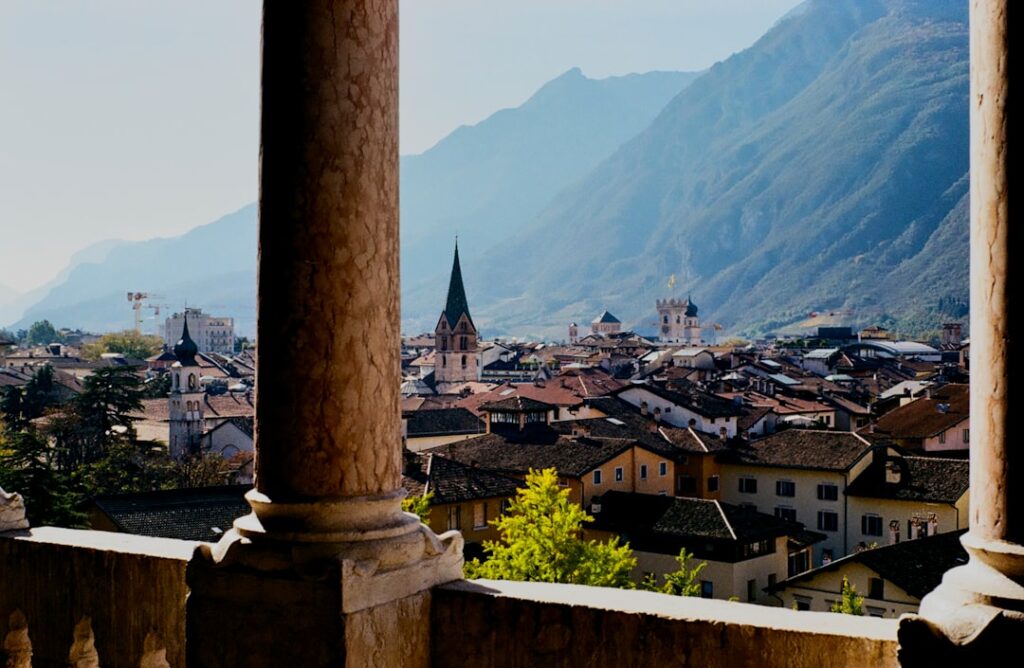
Another low-key spot beloved by locals is the Belvedere di San Rocco (Via San Rocco, access via the center’s alleys). This viewpoint offers an intimate look over tiled roofs and a line-up of bell towers. Often uncrowded, it’s perfect for a reading break, an outdoor breakfast or a few relaxed shots without tourist pressure. To find it, follow local signs, ask for directions at a neighborhood café (locals love sharing their favorite spots) or use an interactive map.
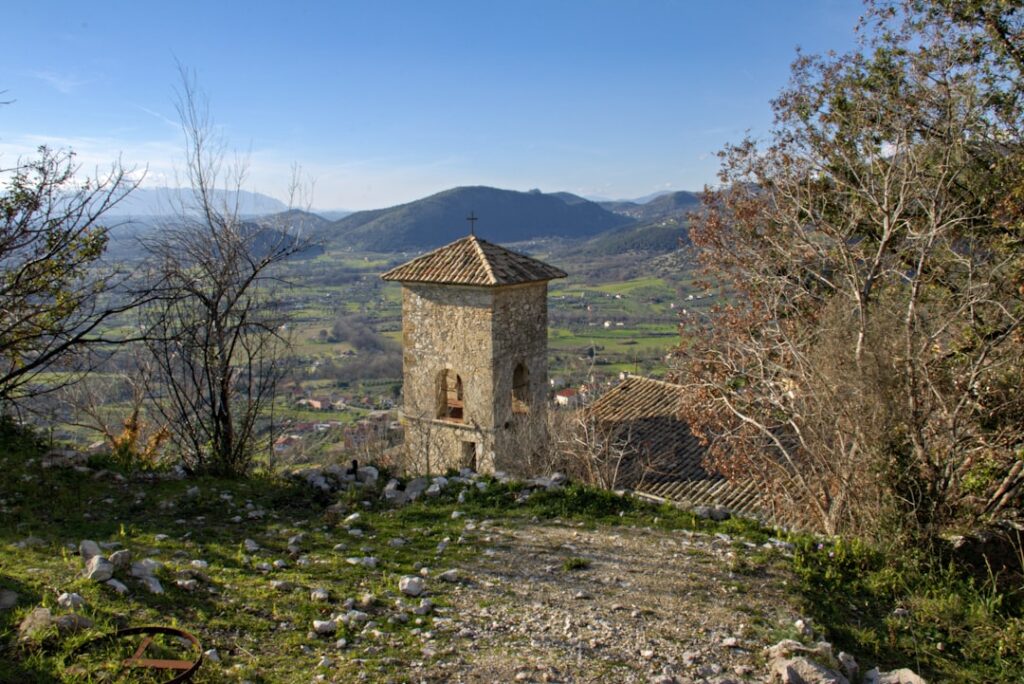
Finally, don’t forget markets and fairs — especially the Fiera di San Vigilio (dates vary) — which from temporary terraces or raised platforms give a dynamic view mixing colorful stalls and historic architecture. These events turn the city into a living mosaic, and watching the crowd from above helps you understand local rhythms, seasonal produce and Trentino lifestyles.
Conclusion: experiencing Trento as an upward journey
Trento is best discovered in layers: the historic city at street level, medieval terraces that tell centuries of bishops and councils, natural viewpoints that remind you of the ever-present mountains, and modern roofs where science and culture reshape the relationship to landscape. Each of the “balconies” here — from Castello del Buonconsiglio to Torre Civica, from Doss Trento to Monte Bondone, from MUSE terraces to small hidden squares like San Rocco — offers a unique angle on the city. Climbing up also means slowing down: the panorama calls for attention, contemplation and sometimes photography, but always listening — to bells, to a river, to muffled conversations from the terraces.
To prepare your visit, keep a few practical rules in mind: check opening hours and prices (museums and towers may change schedules and fees with seasons or special exhibitions), book where possible for popular terraces, bring a windproof jacket and good shoes, and aim for golden hours for the best light. Don’t be shy about asking locals: Trentini are often proud of their viewpoints and happy to point you toward lesser-known routes. And always pair an urban balcony with a natural overlook to capture the dual character that makes Trento charming: both city and alpine.
Whether you stay a day or a week, make the climb to these balconies the red thread of your trip. Climbing physically is also a mental climb: you gain distance, you gauge how the mountain shapes city life, and you discover new perspectives on architecture and local social life. When you come back down, take these images with you; they will become reference points for future walks and invitations to return, because Trento viewed from above always invites rediscovery.